A long outage drained the battery, the grid came back shaky, and now there is a code on the screen. What 04, C02, 27 and the grid-return alarms really mean.
The electricity was off for hours. It came back — and now the inverter is beeping with a number on the screen, or it refuses to come off battery mode. If you live with daily power cuts and load shedding, this cycle is familiar: a long outage runs the battery down, the returning supply is shaky for the first minutes, and the inverter reacts to both. The good news is that most of the codes that appear around a power cut are the system protecting itself exactly as designed, not a broken inverter. What matters is when the code appeared: during the outage, at the moment the electricity returned, or while the house was running on a generator.
In a hurry? Type the code on your screen into the Felicity error-code lookup — every code links to its official cause and recommended fix for your exact model. For the full IVPS fault and warning tables, see our complete error-code guide.
Products mentioned in this article
Felicity Solar FLB48314TG1 51.2V 16kWh LiFePO4 Battery
- Nominal Energy:16 kWh
- Nominal Capacity:314 Ah
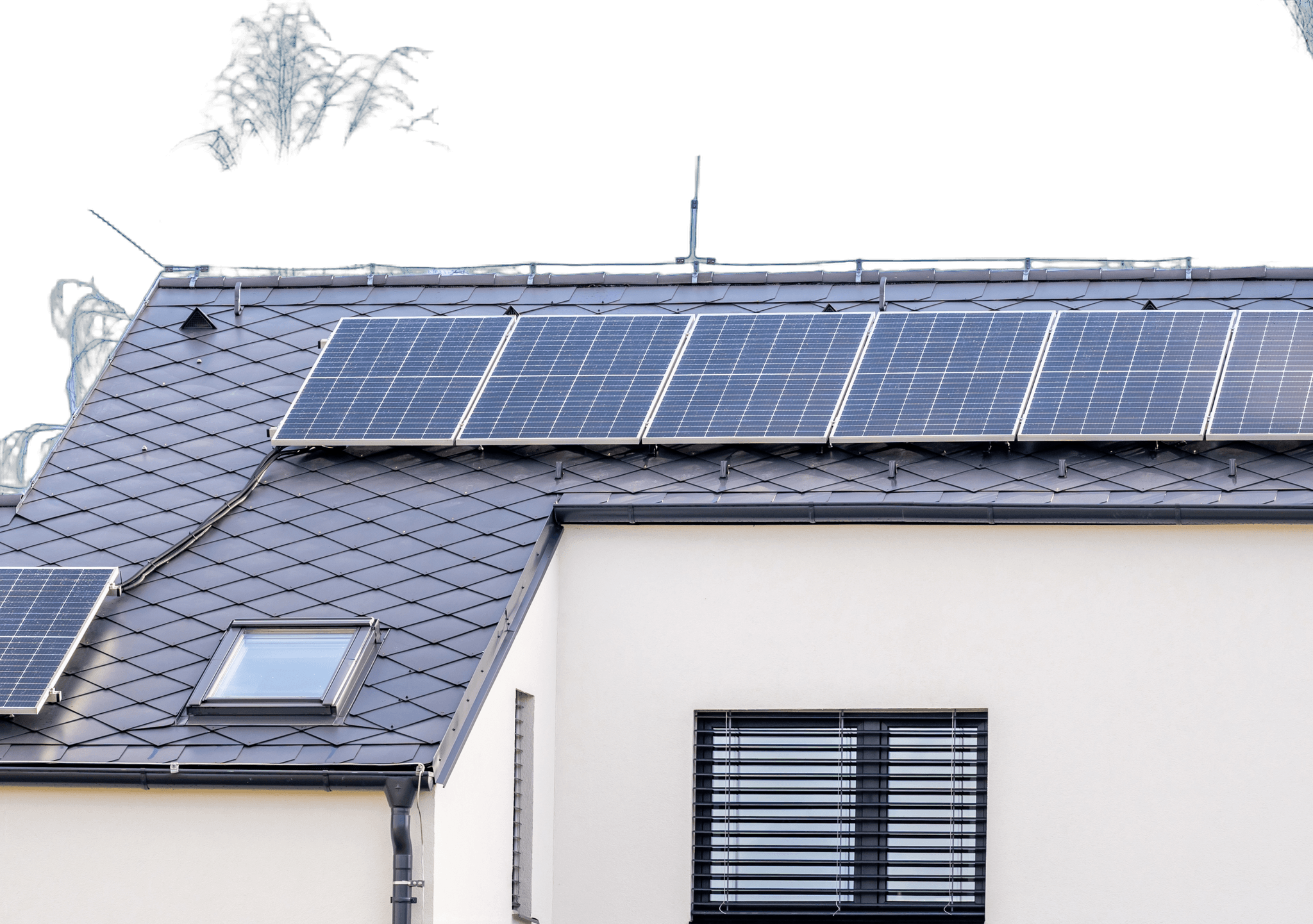
Felicity Solar IVGM5KLP1G1 5kW Single-Phase Hybrid Solar Inverter
- Rated Output Power:5 kW
- Max Efficiency:97.6 %
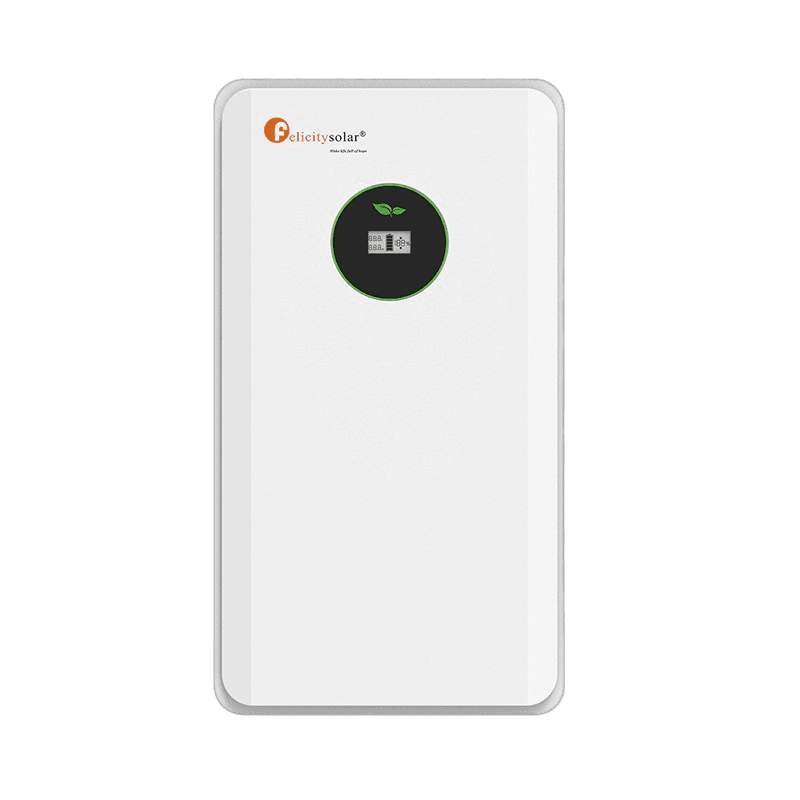
Felicity Solar FLS48100SG2 51.2V 5.12kWh LiFePO4 Battery
- System Nominal Energy (1-8 packs):5.12-40.96 kWh
- System Nominal Voltage:51.2 V
Felicity Solar IVEM8048-II 8kW Single-Phase Off-Grid Solar Inverter
- Rated Output Power:8 kW
- Max Efficiency:93 %

Felicity Solar LPBF48100-M 51.2V 5kWh LiFePO4 Battery
- Nominal Energy:5kWh
- Nominal Voltage:51.2V
What a long outage does to your system
An inverter carrying a house on battery for six or ten hours is doing exactly what you bought it for — but the battery is a fuel tank, and a long outage empties it. The codes arrive in a predictable order:
- First, the low-battery warning. On IVPS/IVPM inverters, warning 04 means the battery has discharged below the low-voltage warning level. The inverter keeps running; the message is simple — the battery needs charging, and it is worth checking what drained it.
- Then the low-SOC alarm on the pack itself. Lithium packs such as the FLB48314TG1 flash their indicator when the state of charge falls below the default 10% warning threshold — a recharge prompt while the pack keeps operating normally.
- Finally, deep-discharge protection. If the discharge continues, the battery's BMS steps in. C02 — battery undervoltage — means the total pack voltage fell below its rated protection value during discharging, so the BMS stopped supplying power. C04 is the same protection at single-cell level, usually deep discharge or a weak, imbalanced cell. The protection releases once the voltage returns to the rated range — which takes a recharge, not a reset.
One more pattern shows up when a whole household leans on the battery: heavy loads can trip discharge overcurrent, C06. The protection activates when the discharge current stays above the BMS trigger value for 15 seconds, and the battery disables both charging and discharging while in fault mode. On some packs — the FLA48250-EU and FLS48100SG2 manuals both document this — the fault clears itself after one minute, but after 10 occurrences it stops clearing automatically and the battery needs a manual restart. If your pack seems dead after a hard evening of outage loads, that rule may be the reason.
Codes you see when the grid comes back
Electricity rarely returns cleanly. In the first minutes the voltage can sit low or swing high, and the frequency drifts while the network picks the load back up. Your inverter measures all of this before it trusts the supply — and tells you what it found:
- Weak grid, reduced power (IVPS/IVPM): warning 05 — power derating — means the AC input voltage is low, about 90–170 V. Read the input voltage on the screen: if it really is in that band, this is normal behaviour and the inverter keeps working at reduced power until the utility recovers. If the input voltage is not low, contact a technician. This is the classic weak-grid code in areas where the supply limps back after an outage.
- Grid out of range (IVGM5KL-P1G1): 33 grid over voltage, 34 grid under voltage, 36 grid under frequency. The inverter alarms and holds off grid-tied operation until the supply returns to its permitted window. The official fix is exactly what it sounds like: check whether the grid voltage and frequency are within the normal range.
- Grid out of range (E-CHO SI hybrids): E0 grid voltage low, E1 grid voltage high, E2 grid frequency low, E3 grid frequency high. For E2 the official guidance is blunt: it is almost always a utility-side issue and clears automatically when the grid frequency returns to normal. For E0, measure the AC voltage at the inverter terminals — consistently below the minimum threshold (typically 184 VAC on 230 V systems) means a supply problem, not an inverter problem.
- City-electricity mismatch warning (IVEM8048-II): warning W04 — grid anomaly. The grid icon blinks when the grid input is over voltage or over frequency; the fix is to check which one it is.
The pattern across all four families is the same: the inverter is refusing an unstable supply on purpose. A code that appears the moment the electricity returns and clears within minutes as the supply stabilises is protection doing its job. A grid alarm that stays on for hours while the supply looks normal to everyone around you is different — then check the AC wiring to the inverter and bring in a technician.
Running on a generator
An inverter with a generator input treats the generator like a second grid: it must qualify the voltage and frequency before it accepts the power. The IVGM5KL-P1G1 has a full set of generator qualification codes:
| Code | Meaning | What to do |
|---|---|---|
| 57 | Generator over voltage — the voltage at the generator input is above the permitted window | Check the load power is within range, restart, and get help if it does not return to normal |
| 58 | Generator under voltage — the voltage at the generator input is below the permitted window | Check the load power is within range, restart, and get help if it does not return to normal |
| 59 | Generator over frequency | Check the generator output frequency |
| 60 | Generator under frequency | Check the generator output frequency |
| 62 | Generator reverse phase sequence | Check the generator phase sequence wiring |
In practice these codes cluster around two moments: startup, while the generator settles, and load steps, when a small or heavily loaded generator swings in voltage and frequency as big appliances kick in. The inverter will not qualify generator power until the output stabilises inside the window — that is the design, not a fault in the inverter. If a generator code returns constantly, follow the official order: check the load is within range, restart, then contact support if it will not come back to normal.
After the battery went completely flat
The hardest case: the outage outlasted the battery, everything shut down, and now — with power back — the system will not behave. Check three things, in order:
- Does the inverter see the battery at all? On the newer IVPS generation (P1G1/P2G1 models), fault 27 means battery disconnected. The official cause is a loose or disconnected battery connector, and the official fix is exactly that: check the battery connector — make sure it is fully seated and the connections are tight before anything else.
- Is the pack in over-discharge protection? On the FLB48314TG1, over-discharge protection (UVP-DCHG) means a cell or the whole pack fell below its rated protection value during discharging, so the battery stopped supplying power. The protection releases once each cell's voltage returns to its rated range — and the manual attaches a deadline: recharge within 18 hours.
- Recharge promptly — the deadline is real. A pack left flat can fail to re-activate for charging; that is precisely why the FLB manual requires the 18-hour recharge. The LPBF48100-M manual goes further: an over-discharged pack cannot be repeatedly activated for discharge, and may stop responding to the AC or PV activation cable entirely — at that point it needs a special charging activation method from the supplier. So when the battery dies during a long outage, do not keep waking it up to squeeze out a few more minutes of light. Charge it as soon as any source — grid, generator or sun — is available.
Protect the system where outages are daily
The codes tell you what happened; the setup decides how often it happens. Three changes make the biggest difference where load shedding is part of daily life:
- Size the battery for the outage window, not the average day. If cuts run eight hours, the bank has to carry your essential loads for eight hours with margin — otherwise warning 04 and C02 undervoltage become a daily routine and the pack spends its life near the protection threshold. Our guide to sizing an off-grid battery bank walks through the arithmetic.
- Set the charger to the battery's own numbers. On FLB packs the recommended charging voltage is 57.6 V — set lower on the inverter, charging tapers off before the pack is actually full, and when the grid only visits for a few hours between cuts, every one of those hours counts. Charge current matters too: a setting above the pack's recommended value trips C05 charge overcurrent.
- Keep the heaviest loads off the battery hours. Discharge overcurrent (C06) — and its 10-occurrence manual-restart rule on some packs — comes from pushing motor loads and everything else through the battery at once. Run the heavy appliances while the grid or generator is present, and let the battery hours carry the essentials.
None of this makes the codes disappear entirely — the grid-return alarms will still flash while the supply stabilises, because that is the inverter doing its job. What changes is how often you meet the battery-protection codes, and those are the ones that shorten a pack's life.
Look up your exact code
Every code above links to its full page in the Felicity error-code directory — the official cause and recommended fix for each device that uses it. If your screen shows a different number, type it in and check it against your exact model.
For after-sales help, our contact page lists our phone and email.
Frequently Asked Questions
Why does my inverter show an error when electricity returns?
Why is my inverter still on battery after the power came back?
What does warning 04 mean after a long power cut?
The battery went flat during the outage and now the inverter shows 27 — what do I do?
Why won't the inverter accept my generator?
Will a battery that shut down during a long outage recover on its own?
Ready to order?
Every unit in the catalogue carries its price — add it to the cart and order online, delivered within 3 business days.
Error codes in this article
Each code links to its full page: what it means on every model, the cause, and the fix from the official manual.
- 04FaultPV temperature is too high.
- 05FaultHigh PV voltage.
- 33FaultBus soft start fail.
- 34FaultRadiator 1 over-temperature.
- 36FaultGrid Under Frequency Alarm.
- C02FaultBattery undervoltage.
- C04FaultCell undervoltage.
- C06FaultDischarge overcurrent.
- E0FaultGrid Volt Low.
- E1FaultGrid Volt High.
- E2FaultGrid Freq Low.
- E3FaultGrid Freq High.