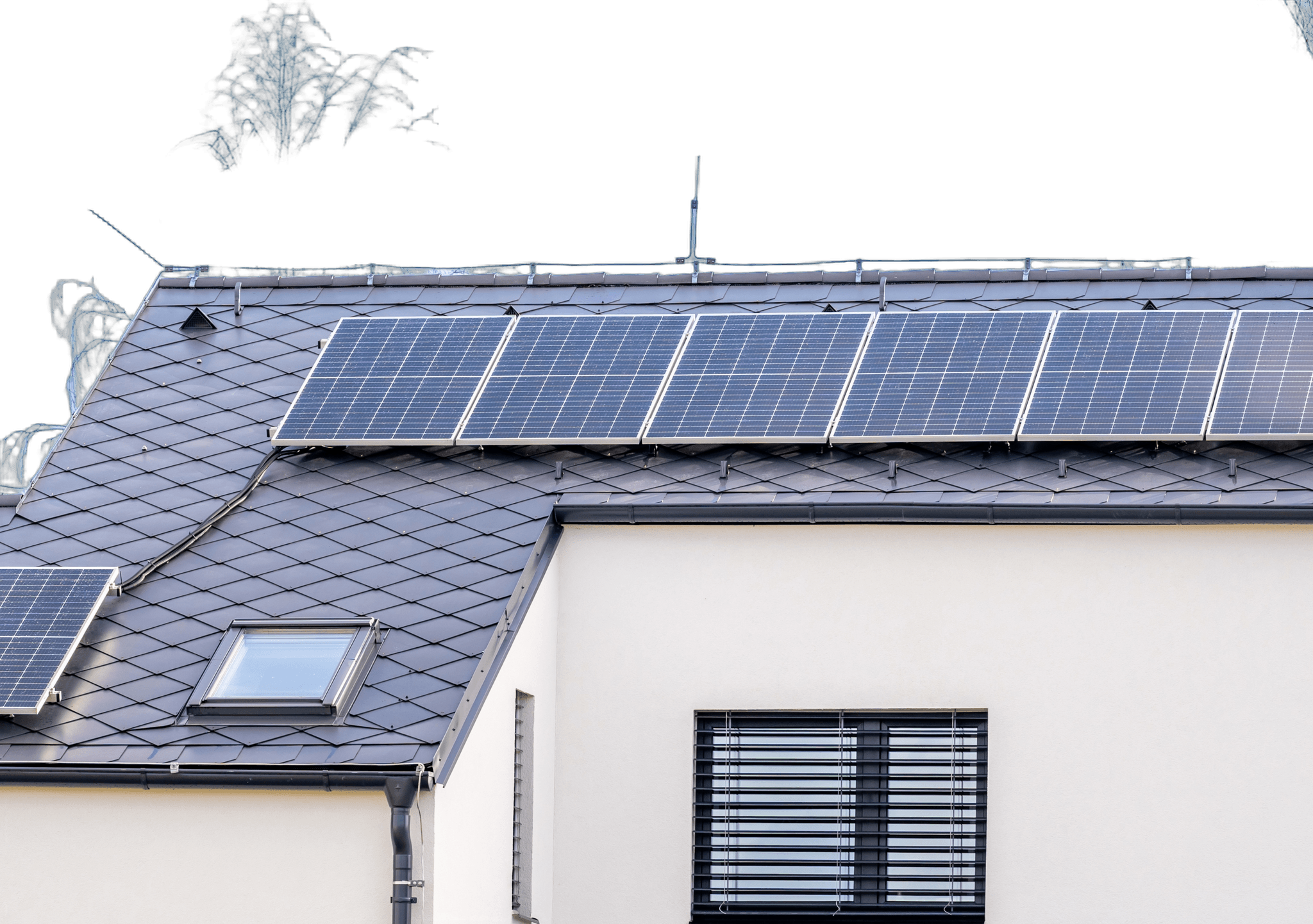
Felicity Solar IVGM5KLP1G1 5kW Single-Phase Hybrid Solar Inverter
Wall-mounted 5 kW hybrid inverter from Felicity Solar, joining a 40-60 V battery bank to a 6.5 kW PV array through two MPPT trackers, with 25 A maximum output current.
- Rated Output Power: 5 kW
- Max Efficiency: 97.6 %
- Battery Voltage Range: 40-60 V
- Phase: Single Phase
AED 1incl. VAT
In stock
Felicity Solar IVGM5KLP1G1 5kW Single-Phase Hybrid Solar Inverter features
About the Felicity Solar IVGM5KLP1G1 5kW Single-Phase Hybrid Solar Inverter
The Felicity Solar IVGM5KLP1G1 is a 5 kW single-phase hybrid solar inverter that outputs 230 V at 50/60 Hz, accepts up to 6.5 kW of recommended PV power across two MPPT trackers, and charges or discharges a 40-60 V battery bank at up to 5 kW, at 97.6% peak efficiency. The trackers run from a 130 V start-up voltage over a 100-500 V window, with 550 V maximum PV voltage, 15+15 A of PV input current and 99.9% MPPT efficiency. On the AC side the IVGM5KLP1G1 supplies 25 A maximum output current and 30 A on the backup circuit, transfers in 20 ms, and holds total harmonic distortion below 3% at a power factor above 0.99. Lead-Acid and Li-Ion banks are supported, with BMS communication over RS485 and CAN and monitoring through RS232, RS485 or a WiFi/GPRS module. The IP65 wall-mounted enclosure uses natural cooling, weighs 32.4 kg net and runs from -25 to 60 °C, with up to 6 units in parallel. Built to IEC 62109-1 and IEC 62109-2. We are an authorised Felicity Solar distributor and supply the IVGM5KLP1G1 from our own stock, and this inverter carries a 2 Years warranty.
Specifications last updated 17 August 2026
Felicity Solar IVGM5KLP1G1 5kW Single-Phase Hybrid Solar Inverter full specifications
Electrical
| AC Output Voltage | 230 V |
|---|---|
| AC Rated Output Current | 21.7 A |
| AC Wiring Mode | L+N+PE |
| Backup Max Output Current | 30 A |
| Backup Rated Output Power | 5 kW |
| Battery Inputs | 1 |
| Battery Type | Lead-Acid, Li-Ion |
| Battery Voltage Range | 40-60 V |
| Charge Algorithm | Self-Adaption to BMS |
| Grid Frequency Range (50 Hz) | 45-55 Hz |
| Grid Frequency Range (60 Hz) | 55-65 Hz |
| Grid Regulation | CEI 0-21, G99, VDE 4105, EN 50549-1, NRS 097-2-1, C10/11, NTS & UNE217001 & UNE217002, PORTARIA N° 140 & 515 |
| Ground Fault Current Monitoring | Yes |
| Input Voltage Range | 184-264.5 V |
| MPPT Efficiency | 99.9 % |
| MPPT Full-Load Voltage Range | 220-500 V |
| MPPT Trackers | 2 |
| MPPT Voltage Range | 100-500 V |
| Max AC Charge Current | 100 A |
| Max AC Input Current | 40 A |
| Max AC Output Power | 5 kW |
| Max AC Pass-Through Current | 40 A |
| Max Charge/Discharge Power | 5 kW |
| Max Charging Current | 100 A |
| Max Discharging Current | 100 A |
| Max Efficiency | 97.6 % |
| Max Output Current | 25 A |
| Max PV Input Current | 15+15 A |
| Max PV Voltage | 550 V |
| Max Recommended PV Power | 6.5 kW |
| Max Short-Circuit Current | 18+18 A |
| Nominal AC Input Voltage | 230 V |
| Nominal Input Frequency | 50/60 Hz |
| Output Frequency | 50/60 Hz |
| Output Short-Circuit Protection | Yes |
| Overload Protection | Yes |
| PV Working Voltage Range | 90-550 V |
| Phase | Single Phase |
| Power Factor | >0.99 |
| Power Factor Adjustment Range | 0.8 leading to 0.8 lagging |
| Protection | Output Over Current Protection, Output Over Power Protection, Output Short-Circuit Protection, Anti-islanding Protection, GFCI Protection, Insulation Resistor Detection |
| Rated Apparent Output Power | 5 kVA |
| Rated Output Power | 5 kW |
| Rated PV Input Voltage | 360 V |
| Start-Up Voltage | 130 V |
| Strings per MPPT | 1+1 |
| Surge Rating | 2*rated (10s) |
| Total Harmonic Distortion | <3 % |
| Transfer Time | 20 ms |
Mechanical
| BMS Communication | RS485, CAN |
|---|---|
| Communication Interface | RS232, RS485 |
| Display | LCD, LED |
| Gross Weight | 39.1 kg |
| Installation Style | Wall-Mounted |
| Monitoring Module | WiFi/GPRS |
| Net Weight | 32.4 kg |
| Package Dimensions | 632 x 570 x 315 mm |
| Parallel Capability | 6 |
| Safety Standard | IEC 62109-1, IEC 62109-2 |
| Topology | Isolated (transformer-based) |
Environmental
| Cooling | Nature |
|---|---|
| IP Rating | IP65 |
| Operating Temperature Range | -25 to 60 (>45 derating) °C |
Certifications
- IEC 62109-1
- IEC 62109-2
Related Products

Felicity Solar IVEM5048 5kW Single-Phase Off-Grid Solar Inverter
- Rated Output Power:5 kW
- Max Efficiency:93 %
AED 1
Buy Now — Felicity Solar IVEM5048 5kW Single-Phase Off-Grid Solar Inverter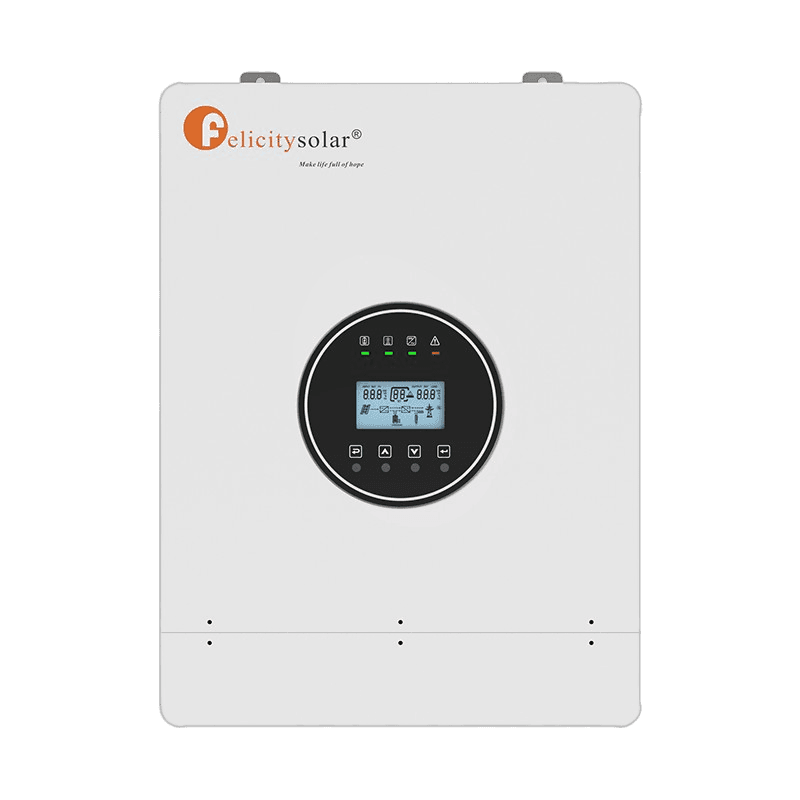
Felicity Solar IVEM5048-LV 5kW Single-Phase Off-Grid Solar Inverter
- Rated Output Power:5 kW
- Max Efficiency:93 %
AED 1,321
Buy Now — Felicity Solar IVEM5048-LV 5kW Single-Phase Off-Grid Solar InverterFelicity Solar IVEM5048-SALV 5kW Single-Phase Off-Grid Solar Inverter
- Rated Output Power:5 kW
- Max Efficiency:93 %
AED 1
Buy Now — Felicity Solar IVEM5048-SALV 5kW Single-Phase Off-Grid Solar Inverter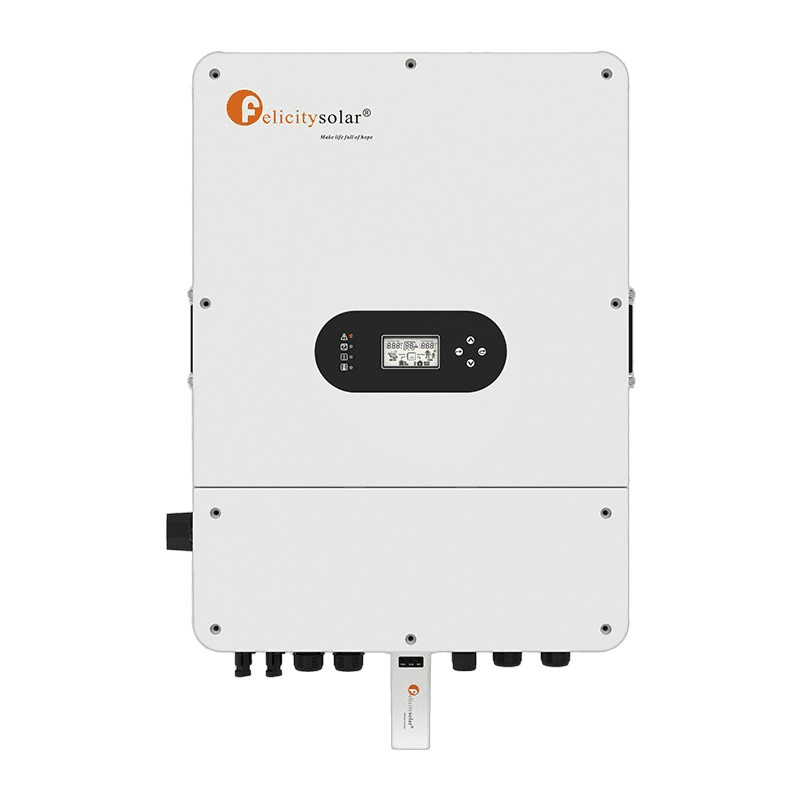
Felicity Solar IVGM5KLP2G1 5kW Single-Phase Hybrid Solar Inverter
- Rated Output Power:5 kW
- Max Efficiency:97.6 %
AED 2,300
Buy Now — Felicity Solar IVGM5KLP2G1 5kW Single-Phase Hybrid Solar Inverter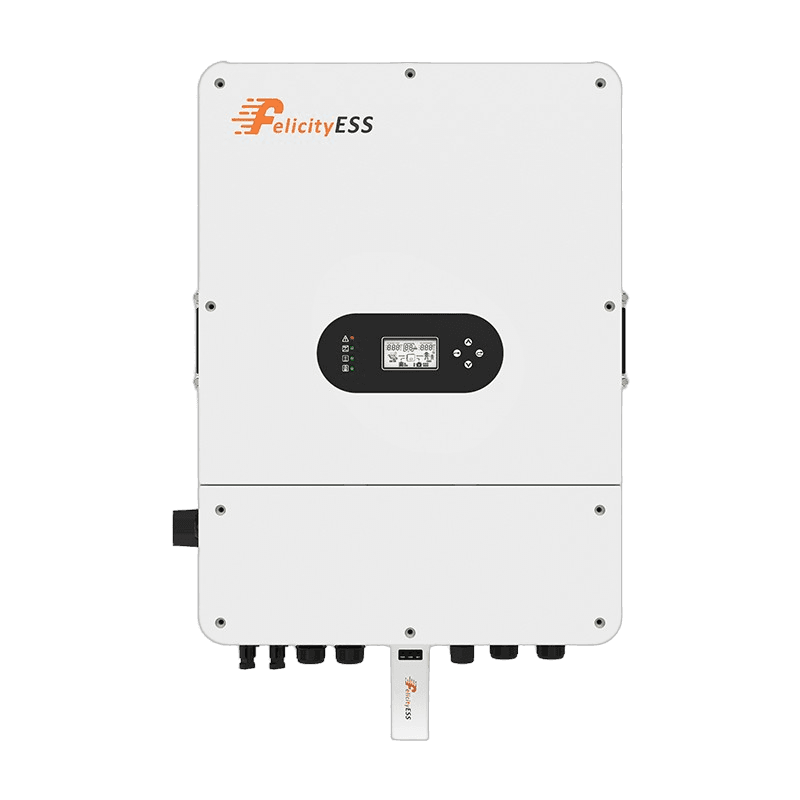
Felicity Solar T-REX-5KLP1G01 5kW Single-Phase Hybrid Solar Inverter
- Rated Output Power:5 kW
- Max Efficiency:97.6 %
AED 1,650
Buy Now — Felicity Solar T-REX-5KLP1G01 5kW Single-Phase Hybrid Solar InverterFelicity Solar T-REX-4K6LP1G01 4.6kW Single-Phase Hybrid Solar Inverter
- Rated Output Power:4.6 kW
- Max Efficiency:97.6 %
AED 1,650
Buy Now — Felicity Solar T-REX-4K6LP1G01 4.6kW Single-Phase Hybrid Solar Inverter
Felicity Solar IVGM6KLP1G1 6kW Single-Phase Hybrid Solar Inverter
- Rated Output Power:6 kW
- Max Efficiency:97.6 %
AED 1
Buy Now — Felicity Solar IVGM6KLP1G1 6kW Single-Phase Hybrid Solar InverterFelicity Solar IVGM6KLP2G1 6kW Single-Phase Hybrid Solar Inverter
- Rated Output Power:6 kW
- Max Efficiency:97.6 %
AED 2,750
Buy Now — Felicity Solar IVGM6KLP2G1 6kW Single-Phase Hybrid Solar InverterRelated Articles
Felicity Inverter Error After a Power Cut? What It Means
A long outage drained the battery, the grid came back shaky, and now there is a code on the screen. What 04, C02, 27 and the grid-return alarms really mean.
Read: Felicity Inverter Error After a Power Cut? What It Means →Felicity Inverter Overheating? Error 18 & Heat Codes
Inverter cutting out on hot afternoons? Error 18, T-REX 35/F35, E-CHO E12/E13, MPPT 87 and battery C09 — the official Felicity heat codes and their fixes.
Read: Felicity Inverter Overheating? Error 18 & Heat Codes →Can I Install a Solar Inverter Outside? What IP21, IP31 and IP65 Really Mean
Twenty-five Felicity inverters are IP21 and every SCCM charge controller says indoor wall-mount. IP20, IP21 and IP31 are indoor ratings, and the first digit - the dust one - is the half nobody reads. Here is which listing carries which.
Read: Can I Install a Solar Inverter Outside? What IP21, IP31 and IP65 Really Mean →