
Felicity Solar FLA48400TG1 51.2V 20.48kWh LiFePO4 Battery
A 400 Ah floor-mounted LiFePO4 unit on a 51.2 V bus, the FLA48400TG1 carries 20.48 kWh of nominal energy, discharges 200-250 A continuously and accepts up to 200 A on charge.
- Nominal Energy: 20.48 kWh
- Nominal Capacity: 400 Ah
- Nominal Voltage: 51.2 V
- Cycle Life: >6000
AED 1incl. VAT
In stock
Felicity Solar FLA48400TG1 51.2V 20.48kWh LiFePO4 Battery features
About the Felicity Solar FLA48400TG1 51.2V 20.48kWh LiFePO4 Battery
The Felicity Solar FLA48400TG1 is a floor-mounted LiFePO4 battery rated 400 Ah at 51.2 V nominal, which is 20.48 kWh of nominal energy. Depth of discharge is 95%, cycle life is above 6000, it charges at up to 200 A, and it sustains 200-250 A of continuous charge or discharge current. Short bursts are rated separately: the FLA48400TG1 holds 300 A, or 10,200-13,000 W, for 15 seconds. The operating window runs 44.8-57.6 V, with float and maximum charging voltage both at 57.6 V and cut-off at 44.8 V. Up to 15 units parallel into a 307.2 kWh bank. Protection is a built-in Smart BMS with breaker, fuse and MX+OF; the unit reports over CAN2.0, RS485, Wi-Fi and Bluetooth and carries an LCD alongside LED indicators. It measures 960 x 265 x 450 mm and weighs 144 kg, shipping in a 1040 x 481 x 570 mm carton at 167 kg gross. Rated IP21, charging 0-55°C, discharging -20 to 55°C, optimal 20-30°C, below 2000 m. Warranty: 5 Years. We are an authorised Felicity Solar distributor and supply the FLA48400TG1 from our own stock.
Specifications last updated 17 August 2026
Felicity Solar FLA48400TG1 51.2V 20.48kWh LiFePO4 Battery full specifications
Electrical
| Battery Type | LiFePO4 |
|---|---|
| Cut-Off Voltage | 44.8 V |
| Cycle Life | >6000 |
| Depth of Discharge | 95 % |
| Float Charging Voltage | 57.6 V |
| Max Charge/Discharge Power (15 s) | 10200-13000 W |
| Max Charging Current | 200 A |
| Max Charging Voltage | 57.6 V |
| Max Continuous Charge/Discharge Current | 200-250 A |
| Max Parallel Units | 15 |
| Max System Capacity | 307.2 kWh |
| Nominal Capacity | 400 Ah |
| Nominal Energy | 20.48 kWh |
| Nominal Voltage | 51.2 V |
| Operating Voltage | 44.8-57.6 V |
| Peak Charge/Discharge Current (15 s) | 300 A |
| Protection | Built-in Smart BMS, Breaker, Fuse, MX+OF |
Mechanical
| Communication | CAN2.0, RS485, Wi-Fi, Bluetooth |
|---|---|
| Display Type | LCD, LED |
| Installation | Floor-Mounted |
| Package Dimensions | 1040 x 481 x 570 mm |
| Package Weight | 167 kg |
Environmental
| Charging Temperature Range | 0-55 °C |
|---|---|
| Discharging Temperature Range | -20 to 55 °C |
| Operating Altitude | <2000 m |
| Optimal Operating Temperature | 20-30 °C |
| Protection Degree | IP21 |
| Storage Temperature Range | 0-35 °C |
Related Products

Felicity Solar FLA48460-EU 51.2V 23.5kWh LiFePO4 Battery
- Nominal Energy:23.5kWh
- Nominal Voltage:51.2V
AED 1
Buy Now — Felicity Solar FLA48460-EU 51.2V 23.5kWh LiFePO4 Battery
Felicity Solar FLA48460TG2-EU 51.2V 23.5kWh Battery
- Nominal Energy:23.5kWh
- Nominal Voltage:51.2V
AED 1
Buy Now — Felicity Solar FLA48460TG2-EU 51.2V 23.5kWh Battery
Felicity Solar FLA48350TG2 51.2V 17.5kWh LiFePO4 Battery
- Nominal Energy:17.5 kWh
- Nominal Capacity:350 Ah
AED 1
Buy Now — Felicity Solar FLA48350TG2 51.2V 17.5kWh LiFePO4 Battery
Felicity Solar LPBF48350 51.2V 17.5kWh LiFePO4 Battery
- Nominal Energy:17.5 kWh
- Nominal Capacity:350 Ah
AED 1
Buy Now — Felicity Solar LPBF48350 51.2V 17.5kWh LiFePO4 Battery
Felicity Solar FLA48500 51.2V 25kWh LiFePO4 Battery
- Nominal Energy:25 kWh
- Nominal Capacity:500 Ah
AED 1
Buy Now — Felicity Solar FLA48500 51.2V 25kWh LiFePO4 Battery
Felicity Solar FLA48500TG2 51.2V 25kWh LiFePO4 Battery
- Nominal Energy:25kWh
- Nominal Voltage:51.2V
AED 1
Buy Now — Felicity Solar FLA48500TG2 51.2V 25kWh LiFePO4 Battery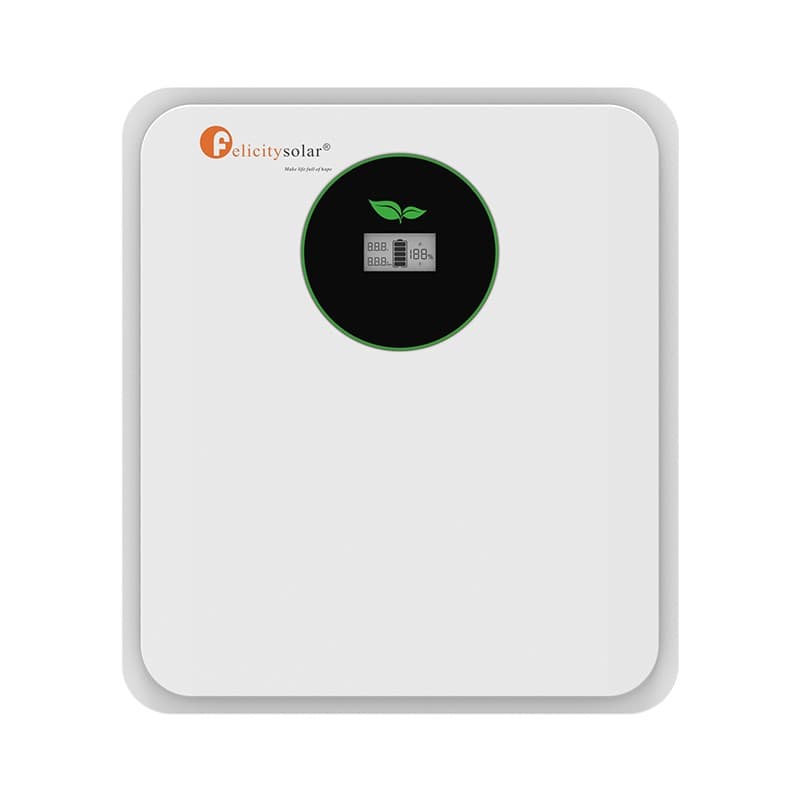
Felicity Solar FLA24100WG2 25.6V 2.56kWh LiFePO4 Battery
- Nominal Voltage:25.6V
- Energy Capacity:2.56kWh
AED 2,544
Buy Now — Felicity Solar FLA24100WG2 25.6V 2.56kWh LiFePO4 Battery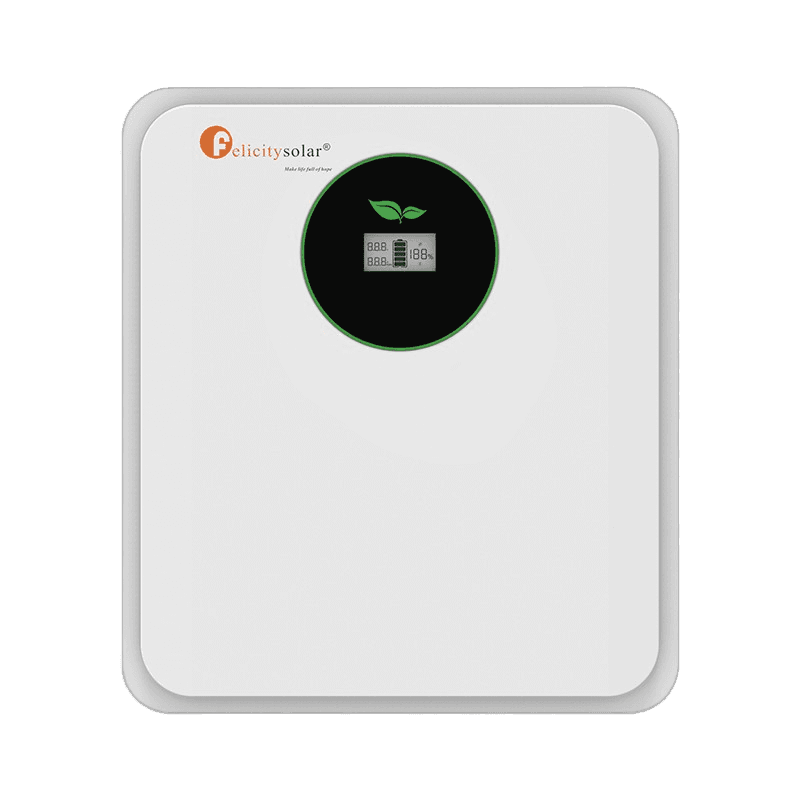
Felicity Solar FLA24300WG2 25.6V 7.5kWh LiFePO4 Battery
- Nominal Voltage:25.6V
- Energy Capacity:7.5kWh
AED 3,303
Buy Now — Felicity Solar FLA24300WG2 25.6V 7.5kWh LiFePO4 BatteryRelated Articles
How to Run a Whole House on Solar in Khartoum
An off-grid house is sized by surge, battery energy and charge current - and the surge row is the one that starts your fridge and your pump. Here are the published figures across the Felicity inverters and batteries, with the arithmetic to use them.
Read: How to Run a Whole House on Solar in Khartoum →Solar for a Remote Site With Nothing to Fall Back On
A mast, a work camp, a holding or a guard post with no supply behind it. What changes when there is no grid to top the battery up: how much extra solar to carry, the four things that decide how long you last, whether the box can stand outside, and what remote monitoring can honestly promise.
Read: Solar for a Remote Site With Nothing to Fall Back On →How to Build a Solar System That Runs a Whole Farm
Panels that will not fit the inverter you already own, and a battery bank you cannot grow without replacing it — both come from taking four decisions in the wrong order. Here is the order, and what each step rules out for the one after it.
Read: How to Build a Solar System That Runs a Whole Farm →