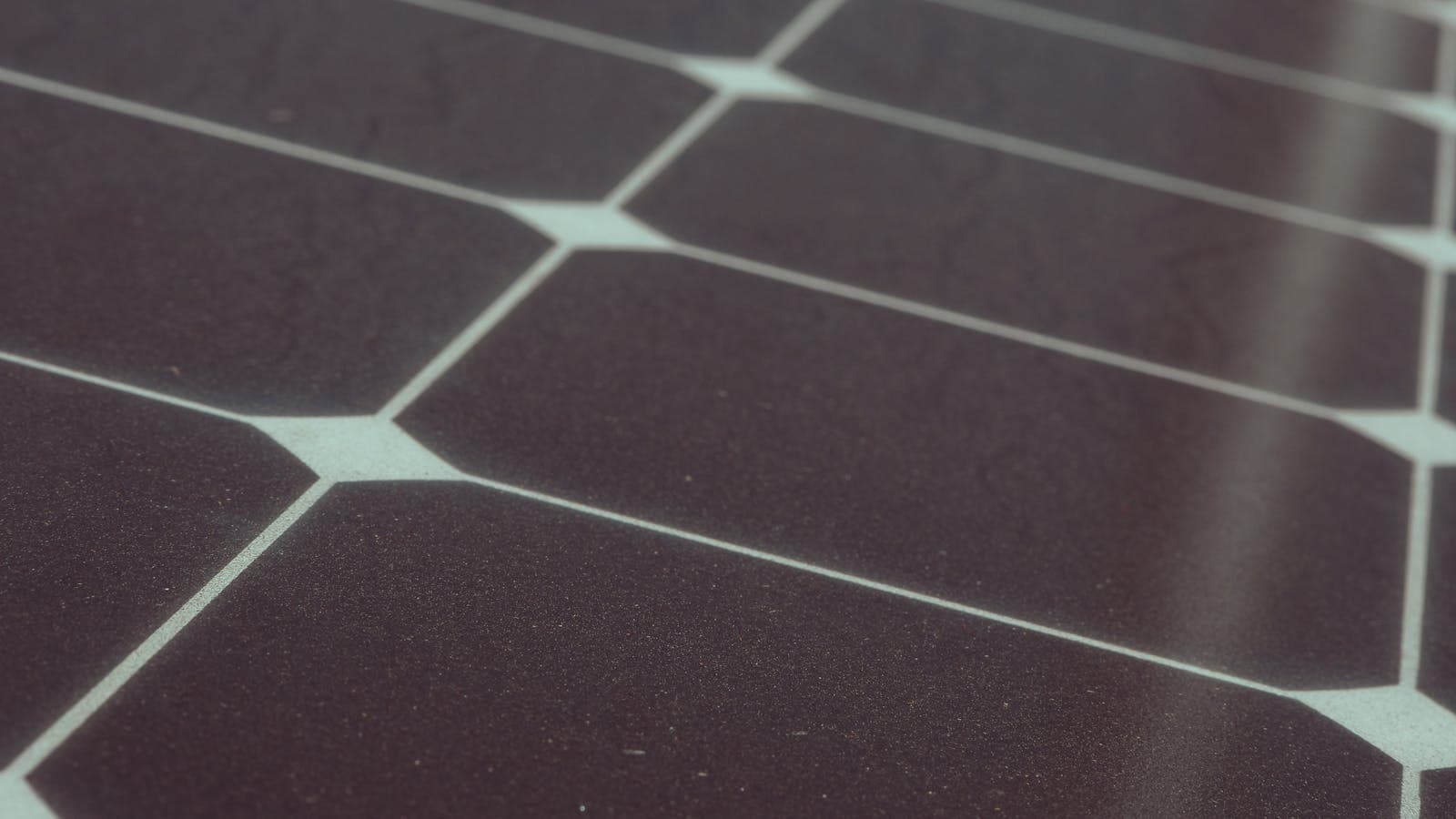
What solar energy actually is, where it comes from, and the difference between photovoltaic, thermal and concentrated solar — then the whole chain, photon to wall socket, with the benefits and the drawbacks stated honestly.
Solar energy is the energy that reaches us from the sun as light and heat. Everything a solar installation does is capture part of that radiation and turn it into a form you can use: electricity at the socket, or hot water in the tank. This page explains the idea from the beginning, in a homeowner's language rather than a laboratory's.
What solar energy actually means
Solar energy is simply energy whose source is the sun. The sun produces it by nuclear fusion in its core, and it leaves as electromagnetic radiation that crosses space and reaches the earth's surface. The fraction landing on your roof is the raw material for any solar system, whether it is used to generate electricity or to heat water.
Because the source is radiation itself, the energy available changes with the sun's angle, with cloud, with dust on the glass, and with the length of the day. That is the first fact every later sizing decision rests on: a solar system is not measured by panel rating alone, but by what actually reaches the panels at your site.
Where solar energy comes from
There is one source — the sun — but the radiation arrives by two paths, and the distinction explains why a system still produces something on a cloudy day:
- Direct radiation: light arriving in a straight line from the sun's disc. It is the strongest component, and the one that rewards tilting a panel toward the sun.
- Diffuse radiation: light scattered by cloud, dust and air molecules, arriving from the whole dome of the sky. This is why overcast output falls rather than stops.
Widen the frame and most energy sources on earth are stored sunlight anyway: wind arises from the sun heating the atmosphere unevenly, biomass is sunlight collected by plants, and fossil fuel is the remains of organisms that lived on sunlight millions of years ago. The difference is that a panel takes energy from the source directly instead of waiting for an intermediary.
The types of solar energy
Three types matter in practice, and each does a completely different job:
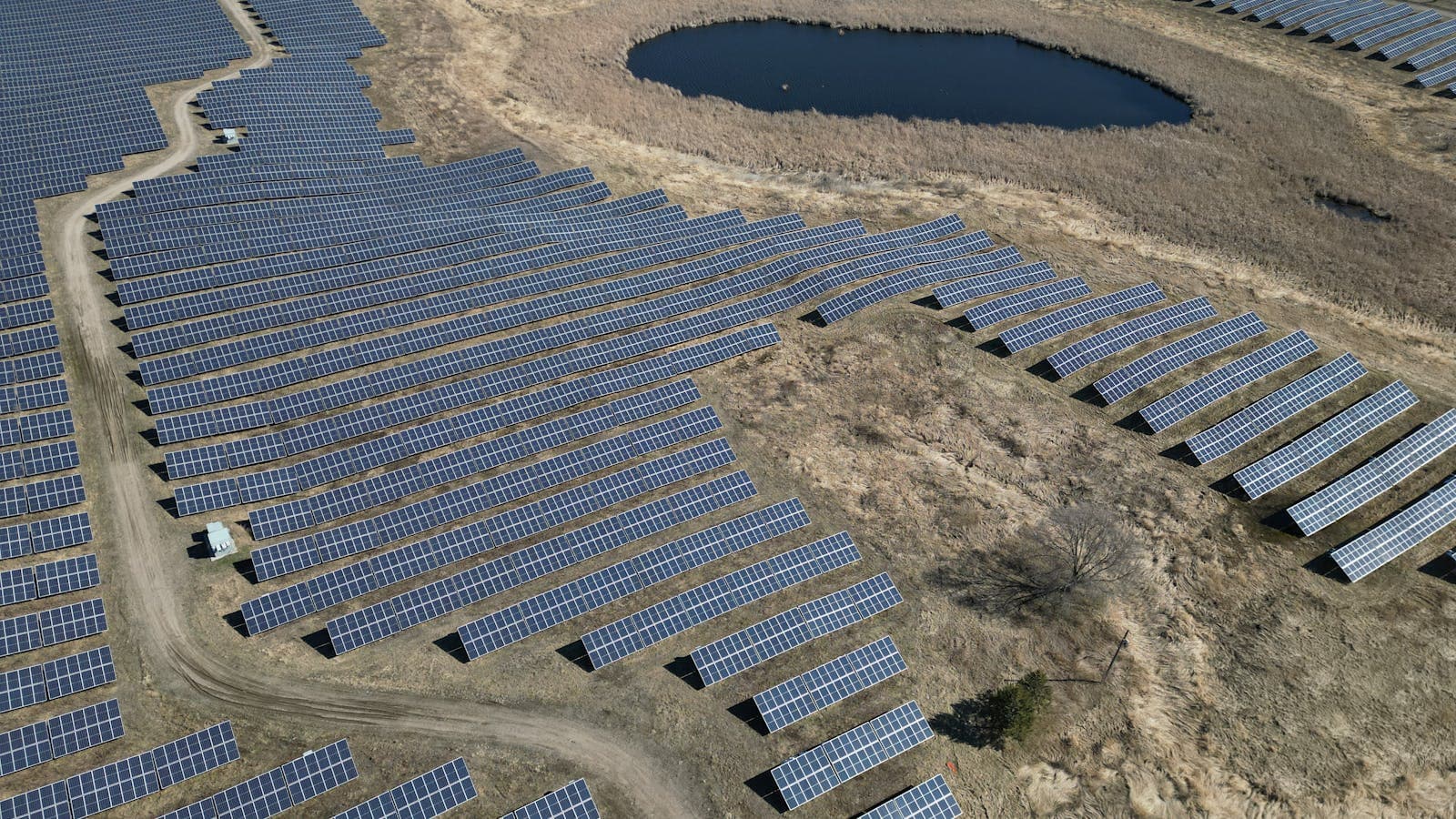
- Photovoltaic (PV): silicon cells convert light directly into direct-current electricity. This is what home, farm and remote-site systems are built on, and what the rest of this page means by solar.
- Solar thermal: panels or evacuated tubes heat water or a heat-transfer fluid. They produce no electricity at all; their job is to replace the water heater, and they are very good at it precisely because they skip the conversion to electricity.
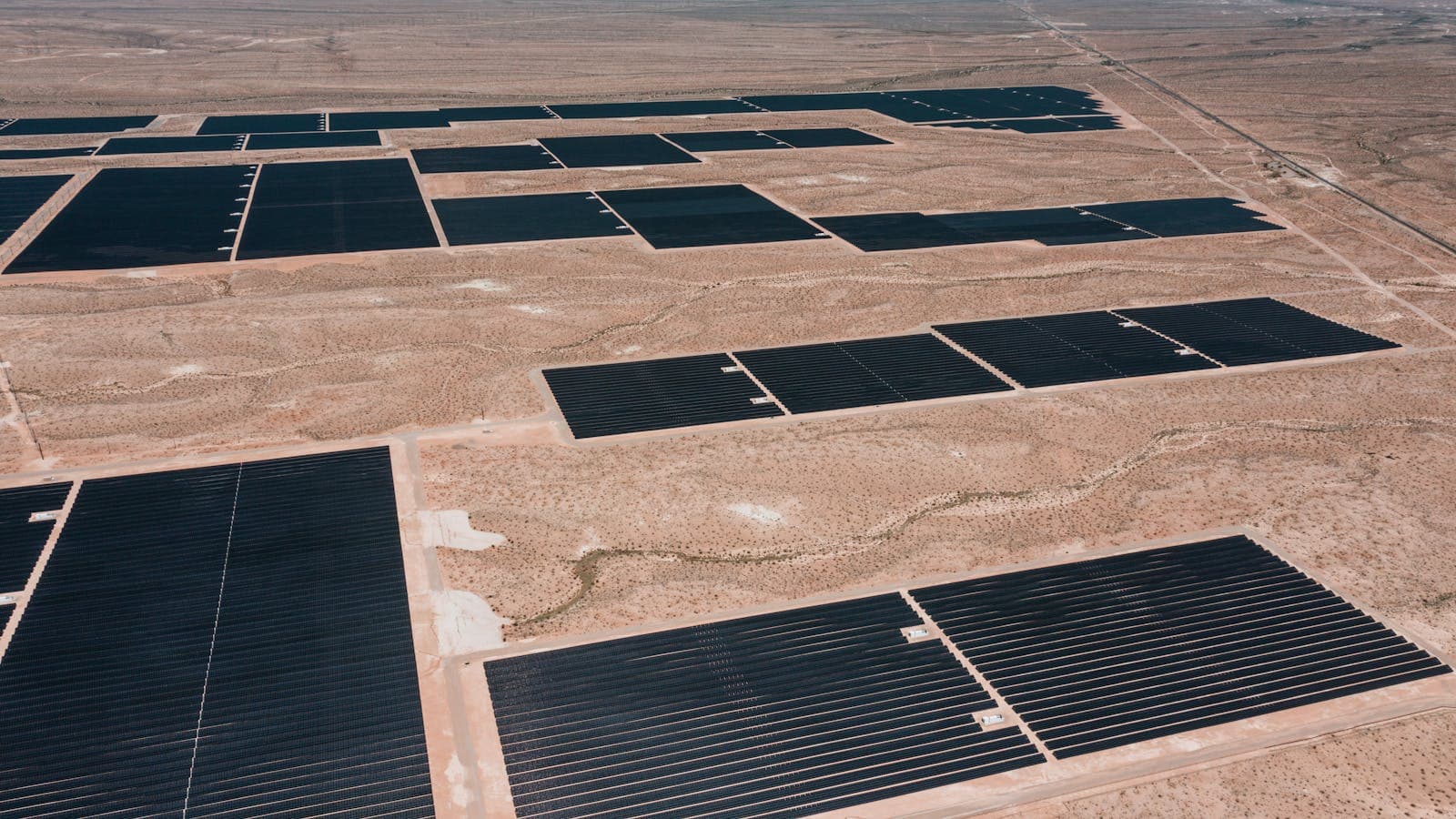
- Concentrated solar power (CSP): mirrors focus radiation onto a receiver to raise steam and drive a turbine. Power-station technology, not rooftop technology.
Confusing the first two is common: anyone who buys a solar water heater and then wonders why the lighting bill did not move bought the right type for the wrong job.
How solar energy works, step by step
In an off-grid home system the energy follows a fixed chain. Every link has a device, and every device has a limit the sizing must respect:
- A photon hits the cell. Sunlight strikes the silicon layer in the panel.
- The cell frees electrons. This is the photovoltaic effect: the photon's energy knocks an electron loose, and the cell's internal structure pushes it in one direction, creating a current.
- The panel outputs direct current. Cells are wired in series inside the panel, and panels in turn are wired into strings to raise the voltage.
- The charge controller governs what enters the battery. An MPPT controller tracks the array's maximum power point and converts surplus voltage into extra current; a PWM controller is simpler and pulls the array down to battery voltage. Either way it prevents overcharge and reverse current at night.
- The battery stores. The sun produces by day and the house consumes by night; the battery bridges that gap. This is where chemistry enters: LiFePO4, gel, or OPzV.
- The inverter converts and drives loads. It takes direct current from the battery and outputs pure sine wave alternating current that household appliances accept, and it absorbs the momentary surge current of motors, pumps and fridges.
- The distribution board splits the loads. Inverter to breakers, breakers to sockets and lighting.
How the electricity is made inside the cell
The question that recurs most is where the electricity comes from in the first place. A solar cell is a silicon wafer treated to form two differently charged layers, with an internal electric field between them. When a photon of sufficient energy arrives, it frees an electron and leaves a hole behind; the internal field pushes the electron one way and the hole the other. Connect a wire across the cell's terminals and you have current. No moving parts, no fuel, no noise — which is why a panel lasts a long time and asks for little beyond cleaning.
Turning solar energy into usable household electricity
The conversion happens in the cell, but what comes out is not the electricity your appliances use: it is direct current at a voltage that moves with light intensity. Making it usable takes exactly two steps:
- Stabilising the voltage: the charge controller's job, delivering a voltage and current the battery chemistry accepts.
- Changing the form: the inverter's job, raising direct current to alternating current at your local voltage and frequency.
Skip either step and something burns: wiring a panel straight to a battery ruins the battery, and feeding an appliance direct current ruins the appliance.
The benefits of solar energy
- Independence from grid and generator: it works where there is no grid, and it works when the grid fails.
- Flat running cost: no fuel is bought, so operation does not track the price of diesel.
- Silence and no exhaust: a real difference in a home, clinic or camp compared with a generator running under the window.
- Little maintenance: no oil, no filters, no running hours to count; cleaning and checking connections cover most of it.
- It scales: start with enough for lighting and a fridge, add panels or batteries later.
- Environmental effect: generating without combustion means no diesel exhaust and no operating emissions at the point of use.
The drawbacks of solar energy
The technology does not deserve to be sold on half the truth. The drawbacks are real and manageable, but they exist:
- It is intermittent by nature: nothing at night, less on a cloudy or dusty day. The answer is a battery, and a battery is a cost.
- The cost is up front: you pay for the whole system at the start instead of paying for fuel monthly.
- It needs space and open sky: shade from a tree or a water tank across the array costs more than it looks like it should.
- Heat reduces output: a hot panel gives less than a cool one under the same irradiance — very much a Gulf and African consideration.
- Batteries have a finite life: this is the part replaced before any other, and mistreatment shortens it faster than time does.
- Bad sizing shows up late: a small system on a large house looks fine in March and fails you in August.
What you actually need to run a house
Any off-grid solar system is only four groups of equipment: panels, a charge controller, batteries and an inverter — plus the cabling and protection that tie them together. Of these we supply the solar inverters, the LiFePO4, gel and OPzV batteries, the MPPT and PWM charge controllers, and standalone solar street lights.
And the order of decisions matters more than the order of purchases: calculate your daily consumption first, then the battery that covers your night, then the array that refills that battery within your day, and last the inverter that survives your largest starting load. Anyone who starts from the panels buys twice.
Frequently Asked Questions
What is the difference between photovoltaic and solar thermal?
Do panels produce anything on a cloudy day?
Do I need batteries to run my house on solar?
Where do I start if I want to size a system?
Ready for a personalized quote?
WhatsApp us — average reply time under 15 minutes.