Build your own off-grid solar system from scratch. This step-by-step guide covers planning, component selection, wiring, configuration, and commissioning.
Building an off-grid solar system is a structured process that anyone can follow with the right guidance. This guide takes you from initial planning through to a fully operational system, using Felicity Solar components as our reference platform.
Phase 1: Planning and Design
Step 1: Calculate Your Daily Energy Needs
List every appliance, its wattage, and daily hours of use. Add up the total watt-hours per day, then add 25% for system losses.
Step 2: Determine Your Peak Load
Identify the maximum watts you will run simultaneously. This determines your inverter size — choose one rated 20-30% above your peak demand.
Step 3: Size Your Solar Array
Divide your daily energy needs by your location's peak sun hours (5-7 hours in the Middle East, 4-5 in tropical Africa). This gives you the total panel wattage required.
Step 4: Size Your Battery Bank
Multiply daily consumption by days of autonomy (typically 2), then divide by depth of discharge (80% for LiFePO4, 50% for gel) and inverter efficiency (93%).
Phase 2: Component Selection
| Component | Selection Criteria | Felicity Option |
|---|---|---|
| Inverter | Peak load + 30% margin | IVPS 5kVA-12kVA |
| Batteries | Daily use x 2 days / DoD | LiFePO4 48V 100-200Ah |
| Panels | Daily kWh / peak sun hours | 550W monocrystalline |
| Charge controller | Panel watts / battery voltage | Built into IVPS |
| Cables | Current rating + 25% margin | PV cable + battery cable |
Phase 3: Installation
Step 5: Install Mounting Structure and Panels
Mount panels facing south (in the northern hemisphere) at an angle equal to your latitude. In the UAE, a 20-25 degree tilt is optimal. Leave 10cm spacing between panels for airflow cooling.
Step 6: Mount the Inverter
Install the Felicity IVPS on a wall in a cool, ventilated indoor space. Leave at least 20cm clearance on all sides for airflow. Keep away from direct sunlight and moisture.
Step 7: Connect the Battery Bank
Connect batteries in the correct series/parallel configuration. For 48V with 12V batteries, connect 4 in series. Double-check polarity before connecting to the inverter.
Step 8: Connect Solar Panels
Wire panels in the correct string configuration. Check that your string Voc does not exceed the inverter's maximum input voltage. Connect the solar input last, after batteries are connected.
Step 9: Connect AC Output
Wire the inverter output to your distribution board through an AC circuit breaker. Ensure all connections are tight and properly insulated.
Phase 4: Configuration and Testing
Step 10: Configure Inverter Settings
- Set battery type (LiFePO4 or GEL)
- Set charging parameters (absorption voltage, float voltage)
- Set AC output voltage and frequency (230V/50Hz for Middle East)
- Configure priority mode (Solar first, battery first, or utility first)
Step 11: Test Under Load
Start with small loads and gradually increase. Monitor battery voltage, charging current, and inverter temperature. Verify that the system charges properly during the day and sustains loads through the night.
Safety Checklist
- All DC connections fused or breaker-protected
- Earth/ground rod installed and connected
- Surge protector on solar input
- All cables properly secured and protected from UV and abrasion
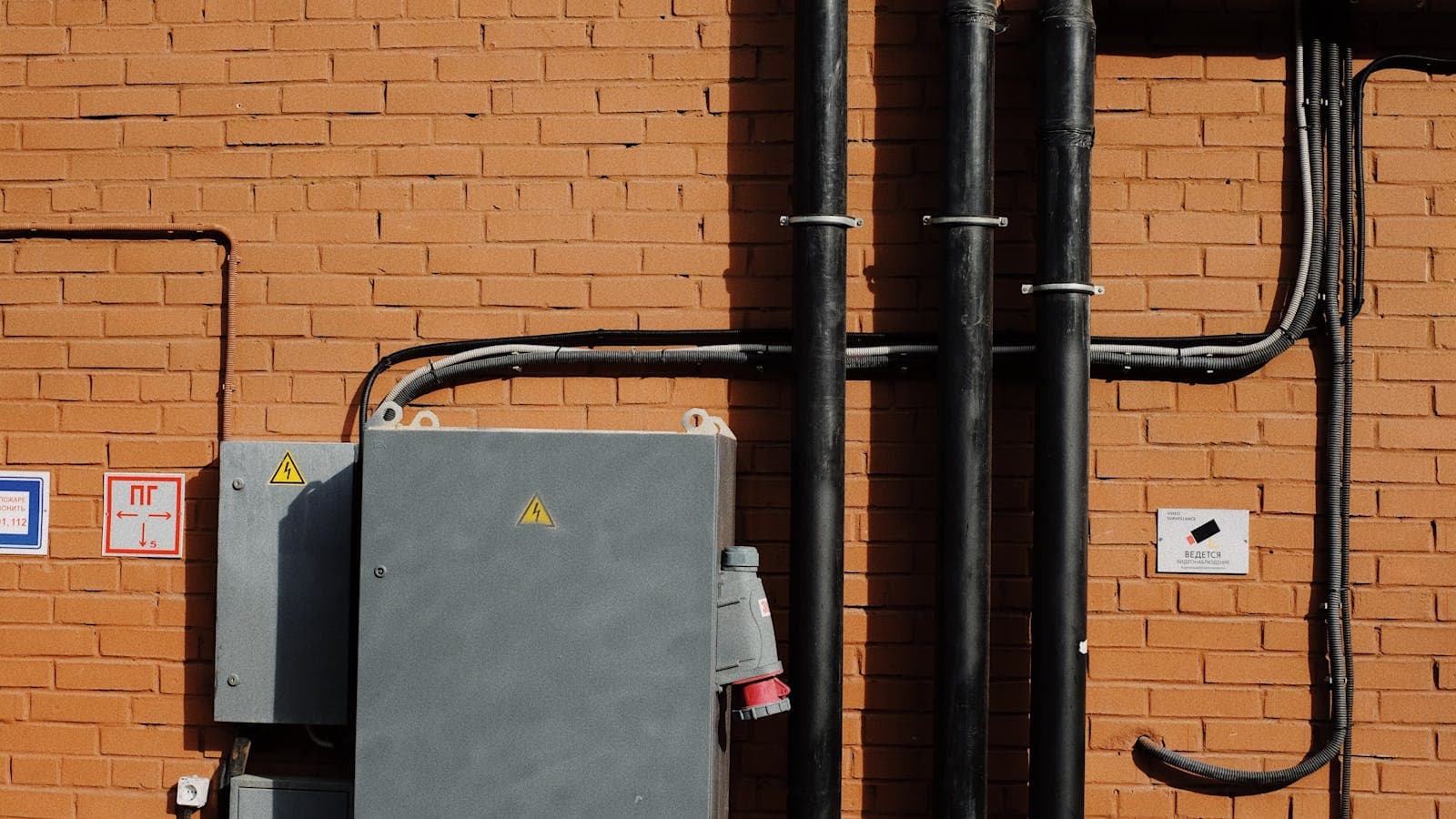
- Clear warning labels on all electrical enclosures
Frequently Asked Questions
How long does it take to build an off-grid solar system?
Do I need a permit to install an off-grid solar system?
What is the most common mistake when building off-grid solar?
Ready for a personalized quote?
WhatsApp us — average reply time under 15 minutes.