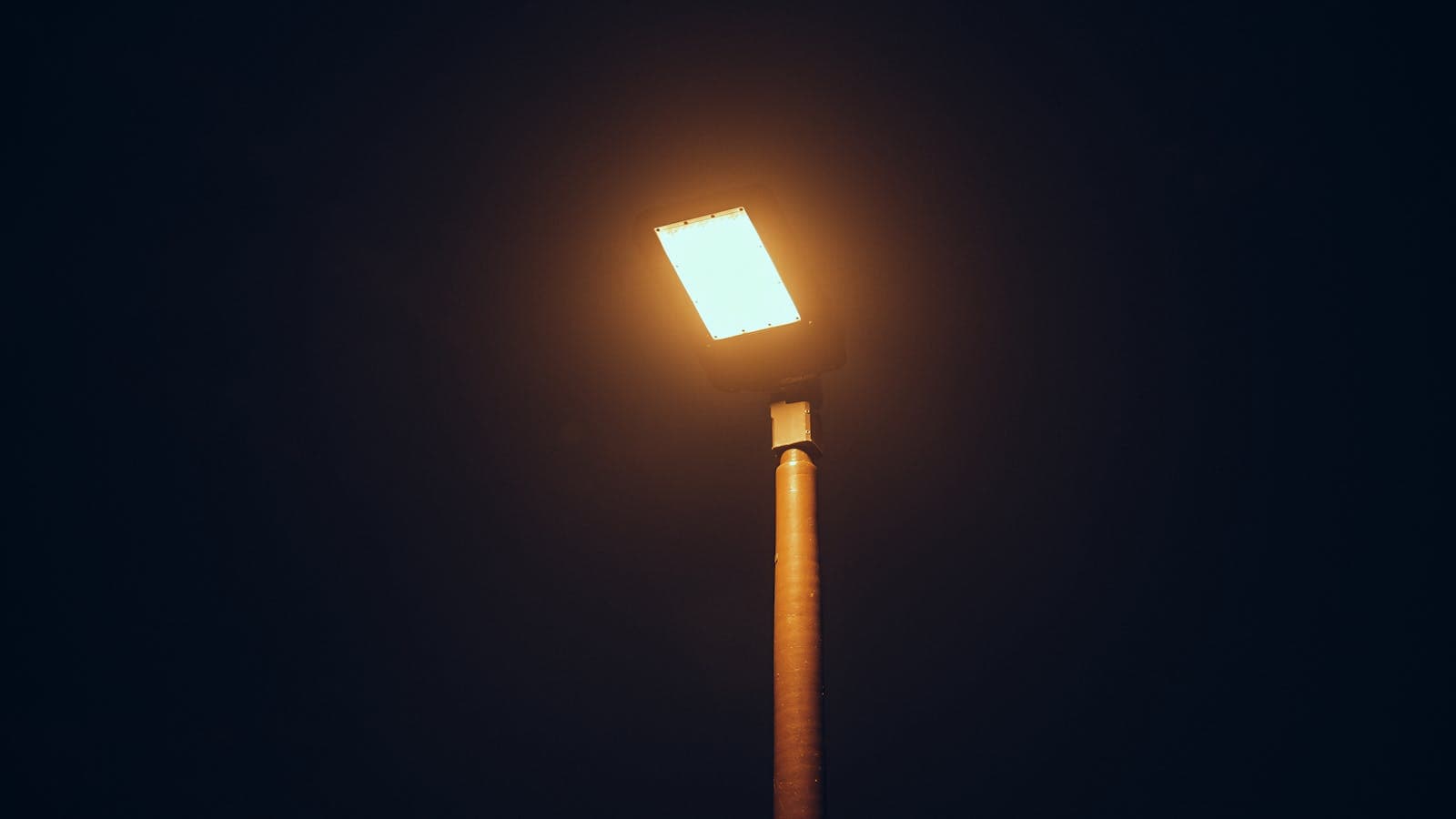
Discover the best solar street lights for 2026. Compare LED wattage, battery type, lumen output, and durability for roads, parks, and rural areas.
Solar street lights have become essential infrastructure for municipalities, real estate developers, and rural communities across the Middle East and Africa. They eliminate trenching costs, require no grid connection, and operate autonomously for years. Here are the top options for 2026.
Why Solar Street Lights Are Growing Fast
- Zero electricity bills: Powered entirely by sunlight
- No trenching or cabling: Each light is self-contained, saving 60-80% on installation versus grid-connected lights
- Rapid deployment: A single pole can be installed in under 2 hours
- Low maintenance: LED lifespan of 50,000+ hours, LiFePO4 batteries last 8-10 years
- Government incentives: Many Gulf and African nations subsidise solar street lighting
Key Features to Compare
LED Wattage and Lumen Output
The LED wattage determines brightness. For street lighting, you need:
| Application | LED Power | Lumens | Pole Height |
|---|---|---|---|
| Pathway / garden | 20-40W | 2,000-4,500 lm | 3-4m |
| Residential street | 40-80W | 4,500-9,000 lm | 5-7m |
| Main road / highway | 80-150W | 9,000-18,000 lm | 8-12m |
| Parking lot / commercial | 100-200W | 12,000-24,000 lm | 8-10m |
Battery Type
- LiFePO4: Best choice — 5-8 year battery life, lightweight, handles heat well
- Li-ion (NMC): Lighter but less heat-tolerant — not ideal for Gulf climates
- Lead-acid: Budget option, but heavy and short-lived in heat (2-3 years)
Solar Panel Size
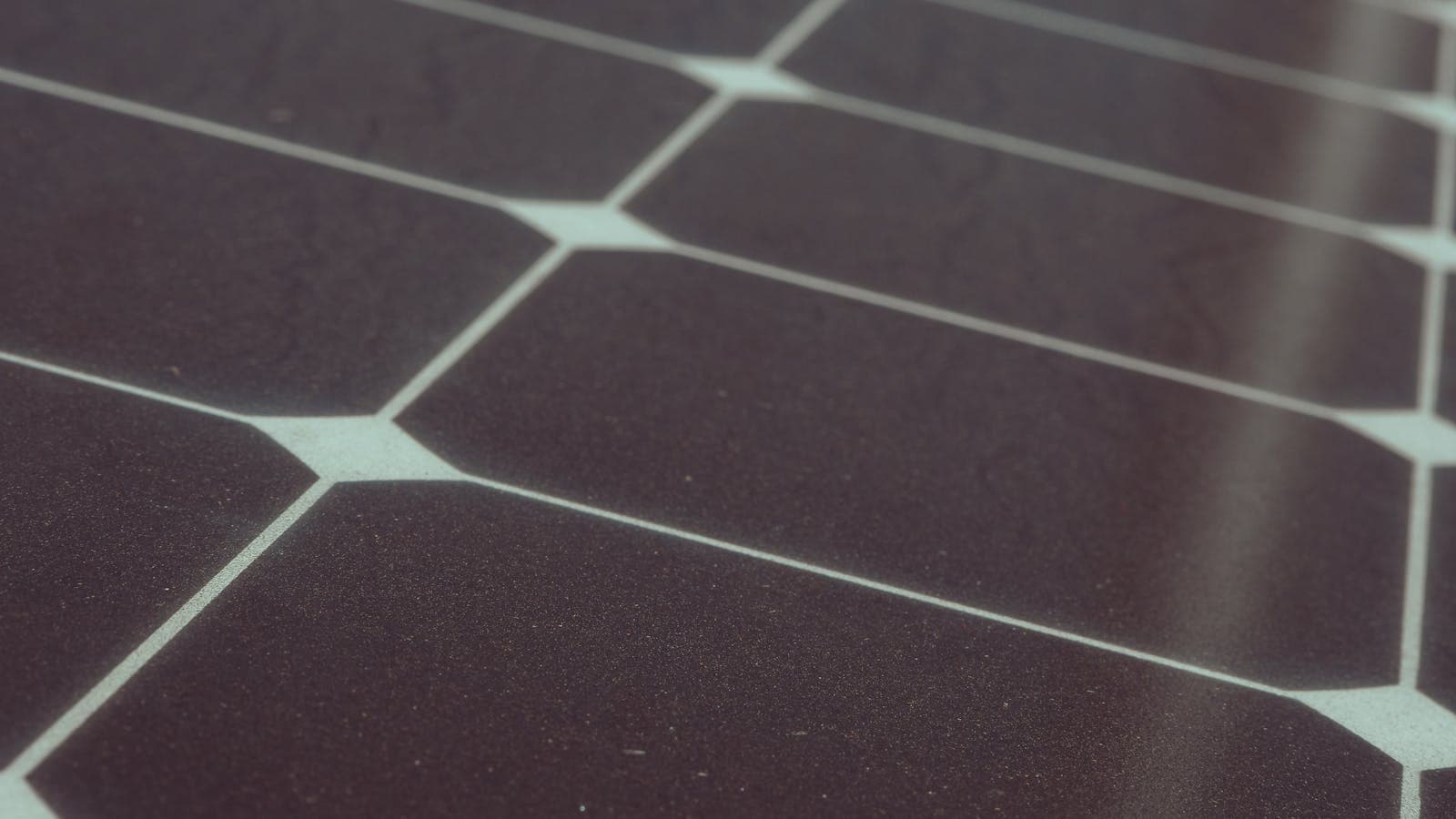
The panel must generate enough energy during the day to power the light all night. In the Gulf region with 6-8 peak sun hours, a 40W LED light typically needs a 80-100W solar panel. In tropical Africa with 4-5 peak sun hours, the same light needs a 120-150W panel.
Top Solar Street Lights for 2026
1. Felicity Solar All-in-One Series
Felicity Solar's integrated street lights combine the solar panel, LiFePO4 battery, LED light, and controller in a single unit mounted directly on the pole.
- Range: 30W to 200W LED
- Battery: LiFePO4 with 8-year design life
- Controller: Intelligent dimming with motion sensor option
- IP rating: IP65 (dust-tight, water-jet proof)
- Backup nights: 3-5 rainy/cloudy nights autonomy
Best for: Gulf municipalities, African rural roads, and compound lighting.
2. Split-Type Solar Street Lights
For high-power applications (100W+ LED), split-type lights separate the panel from the lamp head, allowing larger panels on a separate arm.
- Advantage: Higher solar input for very bright lights
- Disadvantage: More complex installation, heavier pole requirements
Installation Considerations
- Pole spacing: Typically 25-35 metres for residential streets, 35-50 metres for highways
- Panel orientation: Face south (in northern hemisphere) with 15-25 degree tilt
- Foundation: Concrete foundation depth depends on soil type and wind load
- Wind rating: Gulf region requires lights rated for at least 150 km/h wind speed
Cost Comparison vs Grid-Connected Lighting
| Cost Factor | Solar Street Light | Grid-Connected Light |
|---|---|---|
| Light fixture | $300-$800 | $100-$300 |
| Pole | $200-$500 | $200-$500 |
| Trenching/cabling (per 100m) | $0 | $2,000-$5,000 |
| Annual electricity | $0 | $50-$150 per light |
| 10-year total (per light) | $500-$1,300 | $2,800-$6,800 |
Our Recommendation
For most Gulf and African applications, Felicity Solar all-in-one street lights with LiFePO4 batteries offer the best combination of brightness, durability, and total cost of ownership. The integrated design eliminates compatibility issues and simplifies maintenance for municipal teams.
Frequently Asked Questions
How long do solar street lights last?
Do solar street lights work during cloudy or rainy seasons?
How much does a solar street light cost compared to grid-connected?
Ready for a personalized quote?
WhatsApp us — average reply time under 15 minutes.