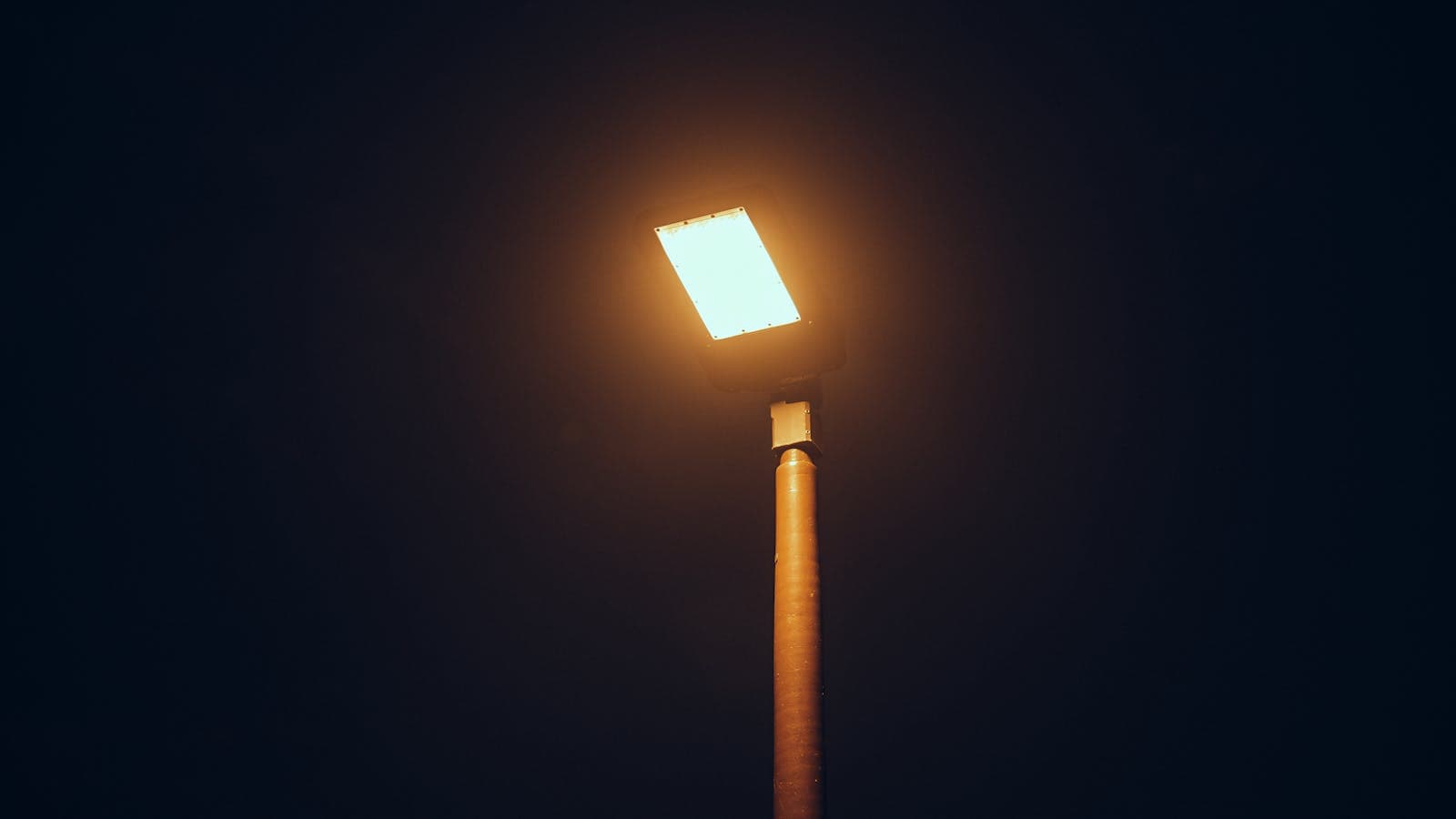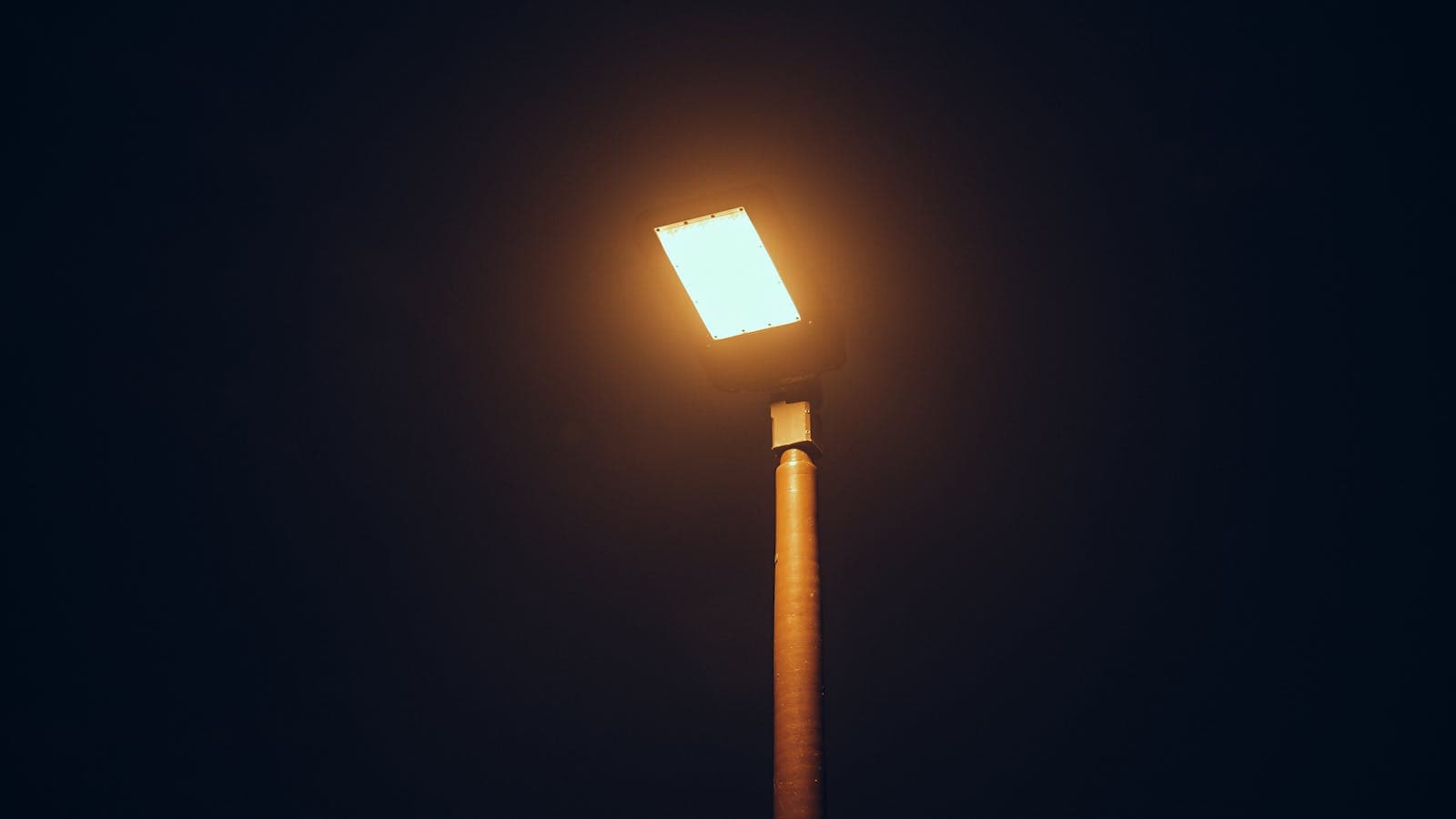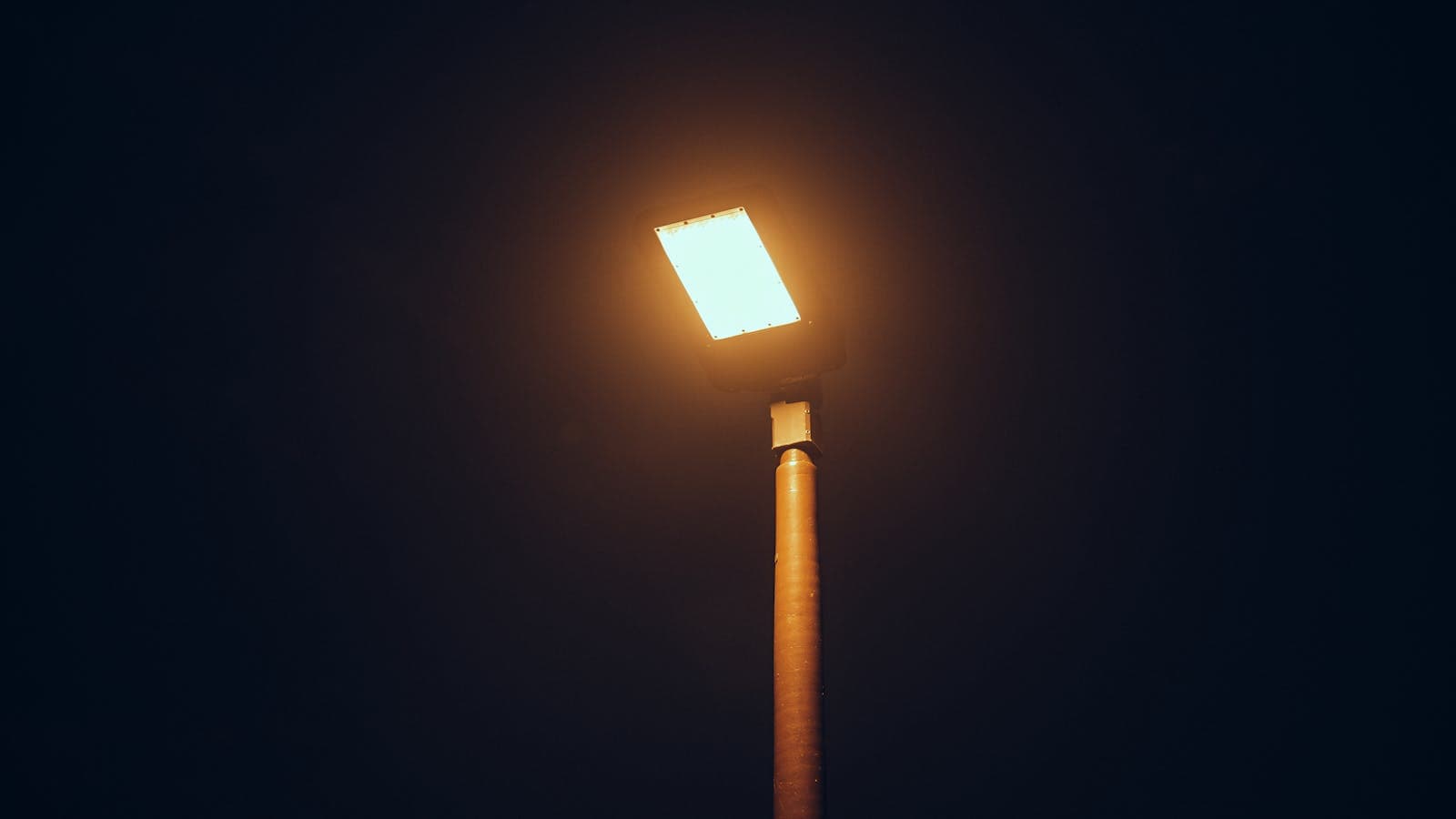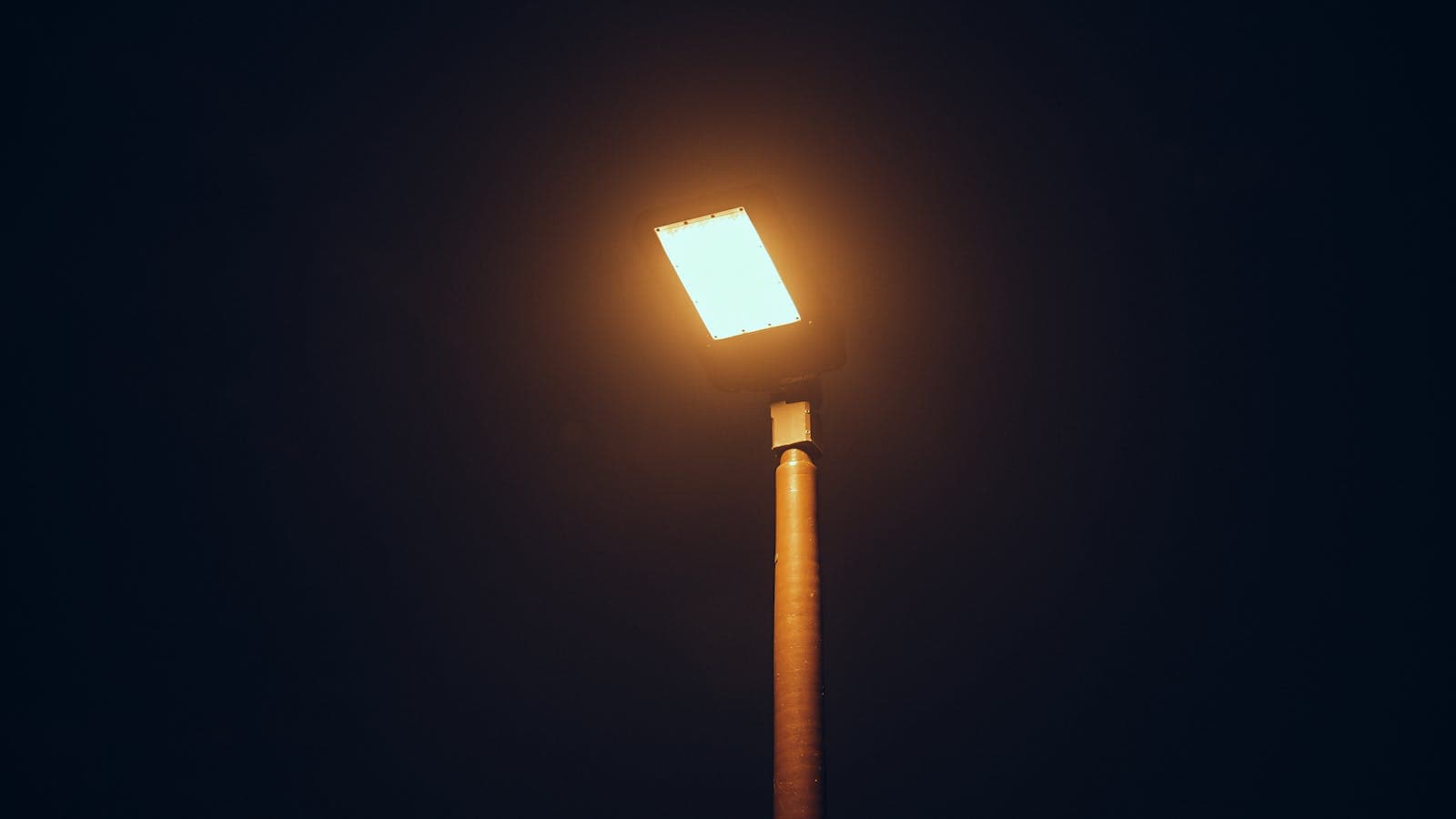
Step-by-step guide to installing solar street lights. Covers foundation, pole erection, panel orientation, wiring, controller setup, and commissioning.
Solar street lights are one of the fastest-growing infrastructure solutions in the Middle East and Africa. With no trenching, no grid connection, and minimal maintenance, they can be installed in hours rather than weeks. Here is how to do it properly.
Pre-Installation Planning
- Site survey: Identify pole locations ensuring no shading from buildings or trees
- Spacing: 25-35m for residential streets, 35-50m for highways
- Soil assessment: Determine foundation type based on soil conditions
- Wind load: Gulf region requires poles rated for 150+ km/h wind speeds
Tools and Equipment Needed
- Concrete mixer or pre-mixed concrete
- Foundation bolts and template
- Crane or lifting equipment (for poles above 6m)
- Spirit level, measuring tape, compass
- Wrenches, screwdrivers, cable ties
- Multimeter for testing
Step-by-Step Installation
Step 1: Prepare the Foundation
Dig a foundation pit sized for your pole height. Typical dimensions:
| Pole Height | Foundation Size | Concrete Volume |
|---|---|---|
| 4-6m | 500 x 500 x 800mm | 0.2 cubic metres |
| 6-8m | 600 x 600 x 1,000mm | 0.36 cubic metres |
| 8-12m | 800 x 800 x 1,200mm | 0.77 cubic metres |
Set anchor bolts in the concrete using the template. Ensure bolts are perfectly vertical. Allow concrete to cure for 48-72 hours before pole erection.
Step 2: Assemble the Light Head
For all-in-one Felicity Solar street lights, the assembly is simple — the panel, battery, controller, and LED are already integrated. Simply attach the unit to the pole arm bracket.
Step 3: Erect the Pole
Use a crane or tilting mechanism to raise the pole. Secure with nuts on the anchor bolts, tightening in a cross pattern to ensure even pressure. Use a spirit level to verify the pole is perfectly vertical.
Step 4: Orient the Solar Panel
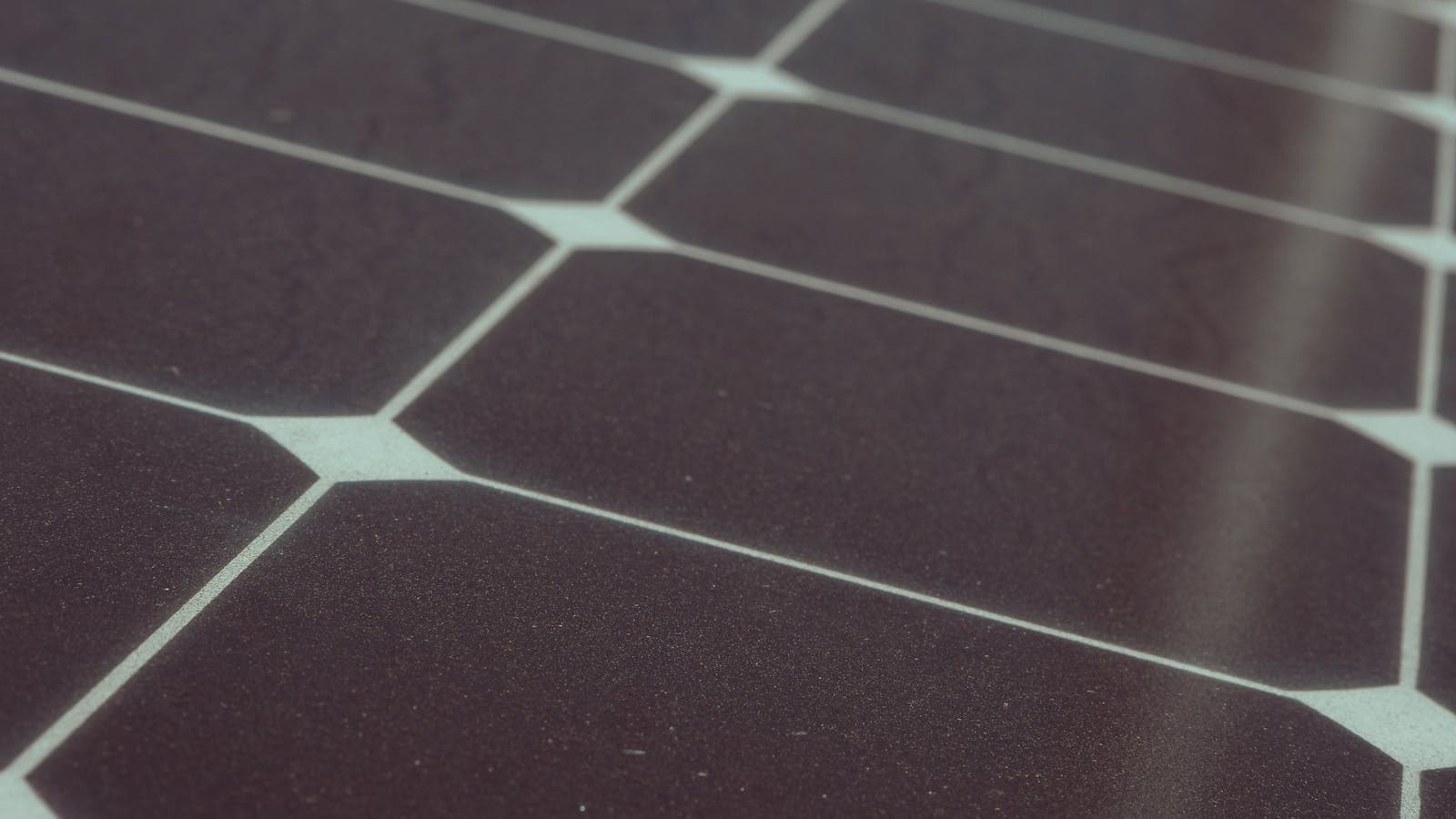
Point the solar panel facing south (in the northern hemisphere). For the Middle East, a tilt angle of 15-25 degrees from horizontal is optimal. In equatorial Africa, a 5-10 degree tilt is sufficient mainly for rain runoff.
Step 5: Configure the Controller
Most Felicity Solar street lights have pre-configured controllers. Verify these settings:
- Light on/off time (usually automatic via light sensor)
- Dimming schedule (e.g., 100% until midnight, 50% until dawn)
- Motion sensor sensitivity (if equipped)
Step 6: Test and Commission
- Cover the solar panel to simulate darkness — the light should turn on
- Uncover the panel — the light should turn off and charging should begin
- Verify LED brightness at each dimming level
- Check that the motion sensor responds correctly (if equipped)
- Record the installation date and initial battery voltage for maintenance records
Maintenance Schedule
| Task | Frequency |
|---|---|
| Clean solar panel surface | Monthly (more often in dusty areas) |
| Check pole bolts tightness | Every 6 months |
| Inspect cables and connectors | Every 6 months |
| Test battery capacity | Annually |
| Replace battery | Every 8-10 years (LiFePO4) |
Frequently Asked Questions
How long does it take to install one solar street light?
Do solar street lights work in cloudy weather?
What maintenance do solar street lights need?
Ready to order?
Every unit in the catalogue carries its price — add it to the cart and order online, delivered within 3 business days.