Compare mono and poly solar panels for off-grid use. Efficiency, heat performance, cost per watt, and why monocrystalline dominates the 2026 market.
The monocrystalline vs polycrystalline debate has largely been settled by the market. In 2026, monocrystalline panels dominate due to higher efficiency and falling costs. But understanding the differences helps you evaluate older stock, budget options, and specific use cases.
Key Differences
| Feature | Monocrystalline | Polycrystalline |
|---|---|---|
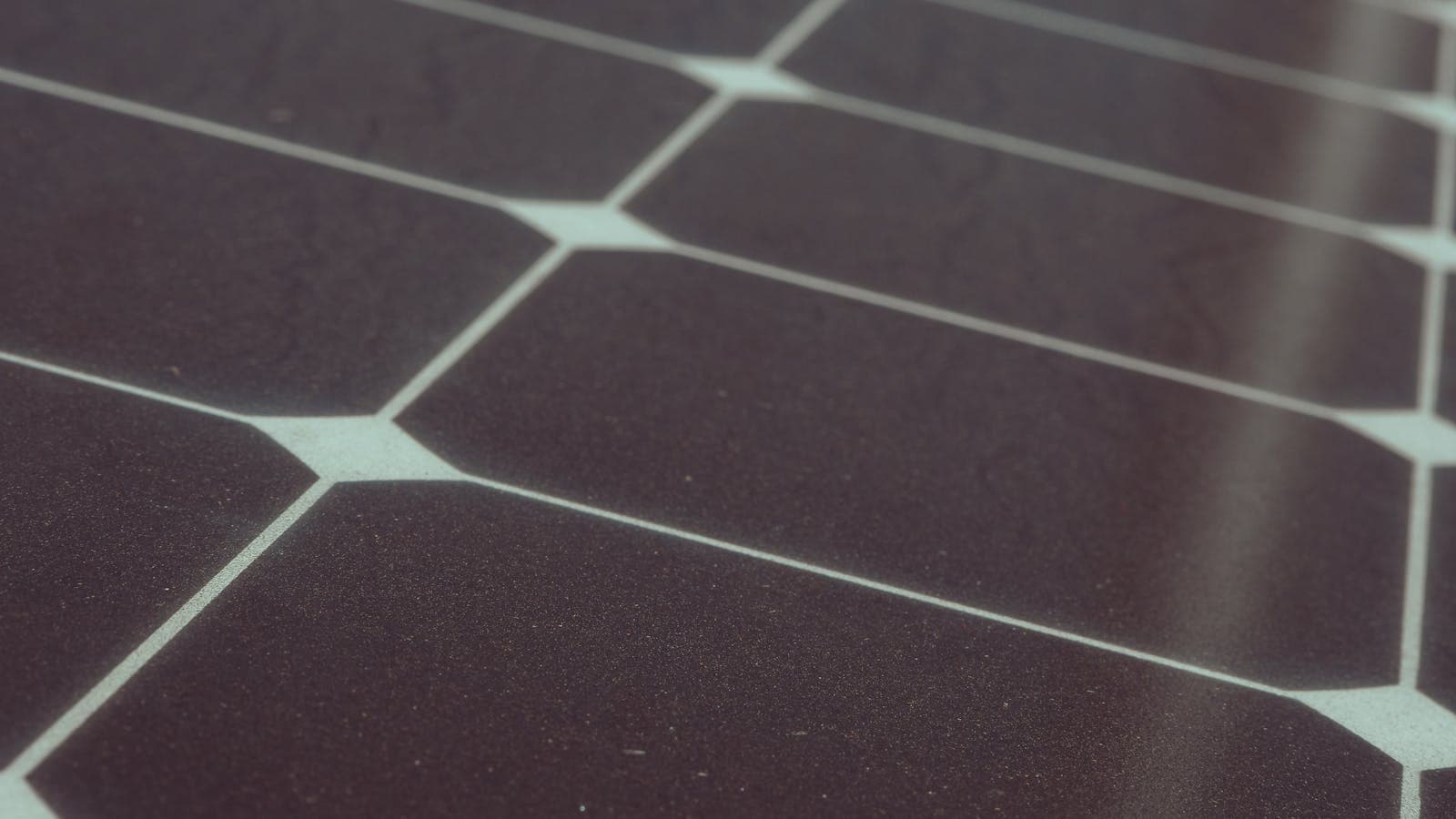
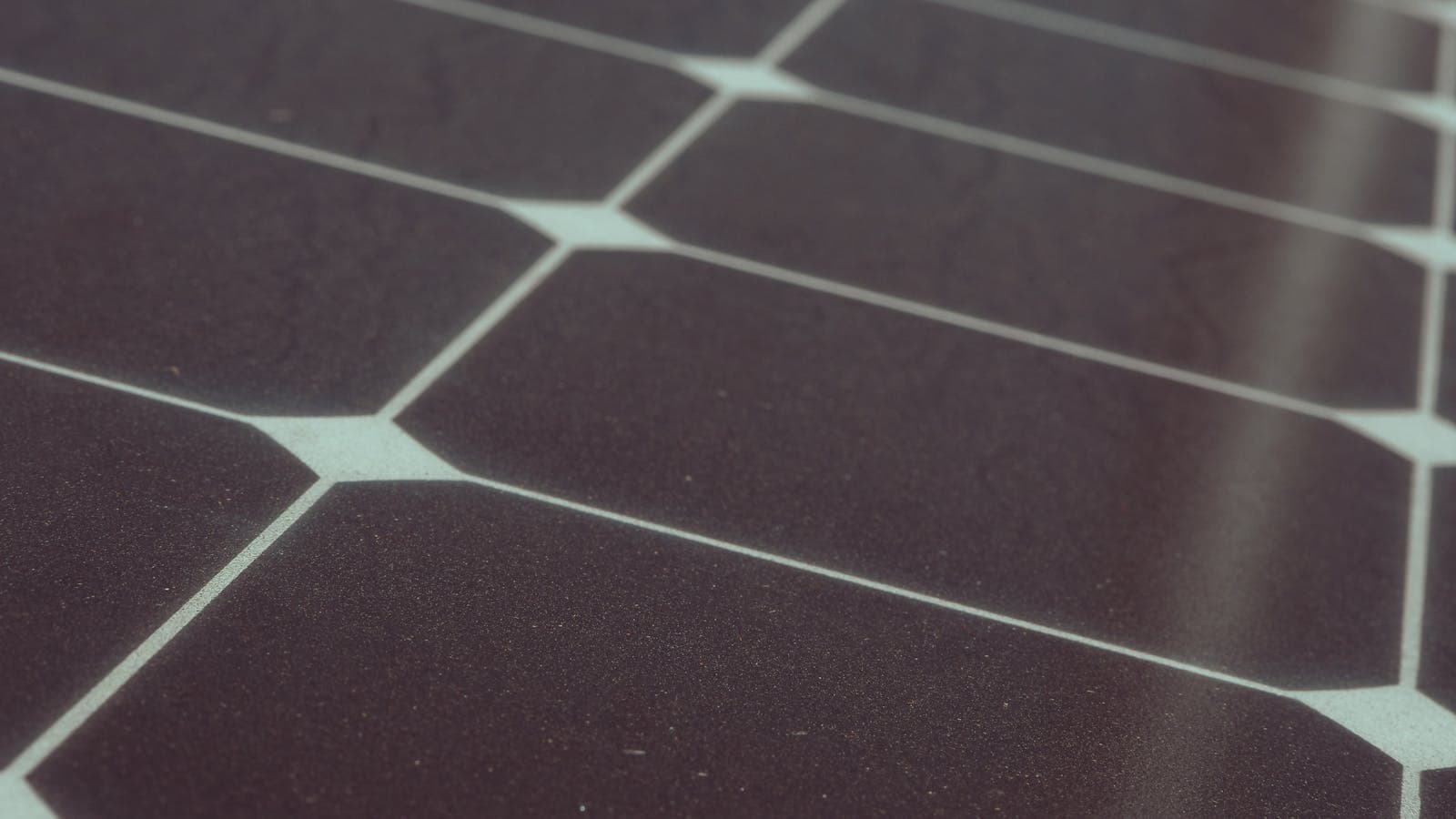
| Cell colour | Black/dark blue | Blue with visible crystal boundaries |
| Efficiency | 20-23% | 15-18% |
| Temperature coefficient | -0.30 to -0.35%/degree C | -0.38 to -0.42%/degree C |
| Size for 550W | ~2.6 sqm | ~3.3 sqm (not available at 550W) |
| Lifespan | 25-30 years | 20-25 years |
| Cost per watt (2026) | $0.18-$0.25 | $0.15-$0.20 |
| Available power ratings | 400-700W | 250-350W (limited production) |
Why Monocrystalline Wins for Off-Grid
- Higher efficiency per sqm: Fewer panels needed, less mounting hardware, less roof/ground space
- Better heat performance: Lower temperature coefficient means less output loss in Gulf summers
- Higher power per panel: 550W mono panels are standard; poly maxes out around 330W
- Price gap has closed: In 2026, mono costs only $0.02-$0.05/W more than poly — negligible for the efficiency gain
When Polycrystalline Still Makes Sense
- If you find heavily discounted old stock from a reliable supplier
- For very large ground-mount installations where space is unlimited and cost per watt is the only metric
- In mild climates where the temperature coefficient advantage of mono is less significant
Advanced Monocrystalline Technologies in 2026
- PERC (Passivated Emitter Rear Contact): The standard for most 2026 panels — 21-22% efficiency
- TOPCon (Tunnel Oxide Passivated Contact): Next generation — 22-24% efficiency, becoming mainstream
- HJT (Heterojunction): Premium technology — 23-25% efficiency, lowest temperature coefficient
- HPBC (Hybrid Passivated Back Contact): LONGi's proprietary technology — 22.5-23% with excellent aesthetics
Our Recommendation
For all new off-grid installations in 2026, choose monocrystalline panels. The Felicity Solar 550W monocrystalline panel offers excellent value for off-grid systems paired with the IVPS inverter. For premium installations, consider TOPCon or HPBC panels from brands like LONGi for the highest efficiency and lowest heat losses.
Frequently Asked Questions
Are polycrystalline panels still worth buying in 2026?
Which panel type performs better in hot climates?
What is the best solar panel technology for 2026?
Ready for a personalized quote?
WhatsApp us — average reply time under 15 minutes.